
Local SEO helps businesses rank higher in Google Search and Google Maps, making it easier for nearby customers to find their products and services. By optimizing your website, Google Business Profile, and local listings, you can increase visibility, attract qualified leads, and grow your business in your target location.
What Is Local SEO?
Local SEO (Local Search Engine Optimization) is the process of optimizing your online presence so your business appears in local search results on Google Search and Google Maps. It helps businesses attract nearby customers by improving their visibility through optimized websites, Google Business Profiles, local citations, and customer reviews. Unlike traditional SEO, which targets a broad audience, local SEO focuses on reaching people searching for products or services within a specific geographic area.
How Local SEO Works
Local SEO works by helping search engines understand your business’s location, services, and relevance to nearby customers. Google ranks local businesses based on three key factors: relevance, distance, and prominence. Optimizing your Google Business Profile, maintaining accurate business information, earning positive reviews, building local backlinks, and keeping your website updated all improve your chances of appearing higher in Google Search and Google Maps.
Here’s a concise version:
Key Components of Local SEO
A successful local-SEO strategy combines several optimization techniques to improve your visibility in local search results. The most important components include optimizing your Google Business Profile, maintaining consistent Name, Address, and Phone Number (NAP) information, conducting local keyword research, improving on-page SEO, creating dedicated location pages, building local citations and high-quality backlinks, earning positive customer reviews, ensuring mobile-friendly website design, and optimizing website speed. Together, these elements help your business rank higher on Google Search and Google Maps while attracting more local customers.
Local SEO Ranking Factors
Google evaluates hundreds of ranking signals when determining local search positions. While the exact algorithm remains confidential, SEO professionals have identified the most influential factors through extensive research and testing.
Key ranking factors include:
- Google Business Profile optimization
- Consistent NAP information
- Website authority
- High-quality backlinks
- Local citations
- Positive customer reviews
- User engagement
- Keyword relevance
- Content quality
- Mobile usability
- Website speed
- Internal linking
- Behavioral signals
- Geographic relevance
- Schema markup
No single factor guarantees top rankings. Instead, successful local SEO combines all these elements into a comprehensive optimization strategy.
Regular performance monitoring helps identify weaknesses before they affect rankings.
Common Local-SEO Mistakes
Many businesses unknowingly make mistakes that prevent them from ranking well in local search results.
Some of the most common issues include:
Ignoring Google Business Profile
Creating a profile is only the beginning. Businesses should continually update photos, services, business hours, and posts.
Inconsistent Business Information
Different addresses or phone numbers across directories confuse search engines and reduce trust.
Duplicate Listings
Multiple business profiles for the same location divide ranking signals and should be merged whenever possible.
Keyword Stuffing
Adding the phrase local-SEO excessively makes content difficult to read and may negatively affect rankings. Keywords should always appear naturally.
Poor Website Content
Thin or duplicate content rarely performs well. Each page should provide unique value to visitors.
Ignoring Technical SEO
Technical SEO ensures search engines can properly crawl and index your website.
Important technical elements include:
- XML sitemaps
- HTTPS security
- Structured data
- Crawlability
- Broken link fixes
- Canonical URLs
- Core Web Vitals
Many marketers discuss Technical SEO Reddit communities for troubleshooting advice, but always verify recommendations before implementing major technical changes.
Failing to Track Performance
Without monitoring rankings, traffic, and conversions, it’s impossible to know whether your strategy is working.
Avoiding these mistakes creates a stronger foundation for long-term local search success.
Build Topic Authority
Instead of creating random articles, develop comprehensive content clusters around your services.
For example, a dig
Best Local SEO Strategies
An effective local SEO campaign combines technical optimization, content marketing, reputation management, and community engagement.
Below are some of the most successful strategies used by experienced professionals.
Optimize Every Business Listing
Ensure every directory contains identical business information.
Publish High-Quality Local Content
Create blog posts covering:
- Local events
- Community news
- Area guides
- Customer success stories
- Industry updates
This content improves relevance while attracting backlinks.
ital marketing agency could publish guides about:
- Website optimization
- Google Business Profile
- Technical SEO
- Local keyword research
- Competitor analysis
- Citation management
This strengthens topical authority in Google’s eyes.
Perform Competitor Analysis
Competitor analysis and local-SEO help identify opportunities your competitors may have missed.
Review:
- Keywords
- Backlinks
- Reviews
- Content quality
- Business categories
- Local citations
- Social media presence
Understanding competitors allows you to build a stronger optimization strategy.
Optimize for Voice Search
Voice searches are becoming increasingly popular.
People often ask conversational questions such as finding the nearest dentist or best restaurant nearby.
Implement Local Schema Markup
Schema markup provides structured information about your business, including:
- Business name
- Address
- Phone number
- Business hours
- Reviews
- Services
This helps search engines better understand your website.
Develop a Local SEO Checklist
A detailed Local SEO Checklist keeps optimization efforts organized.
A complete checklist may include:
- Google Business Profile optimization
- Citation audit
- Review management
- Website optimization
- Mobile testing
- Page speed improvements
- Schema implementation
- Local backlink outreach
- Content updates
- Rank tracking
Many agencies also provide a Local SEO Checklist PDF that businesses can use as a reference for monthly optimization tasks.
Continue Learning
Search algorithms constantly evolve. Investing in a Local SEO course helps business owners and marketers stay current with new ranking factors and best practices.
Following experienced professionals, including well-known consultants often referred to as the Local SEO Guy, can also provide valuable insights into emerging trends and proven optimization techniques.
Whether you manage SEO yourself or hire a Best Local SEO agency, consistent improvement is the key to maintaining strong local rankings.

Local SEO Tools
Using the right tools makes managing local SEO campaigns much easier. From tracking keyword rankings to monitoring citations and analyzing competitors, professional SEO tools help businesses make informed decisions based on data rather than guesswork.
Whether you are a small business owner or work with a Local SEO agency USA, investing in reliable SEO tools can save time and improve your marketing results.
Some of the most useful LocalSEO tools include:
- Google Business Profile
- Google Search Console
- Google Analytics 4
- Google Keyword Planner
- Ahrefs
- Semrush
- BrightLocal
- Whitespark
- Moz Local
- Screaming Frog SEO Spider
- Local Falcon
- Surfer SEO
- Ubersuggest
Each tool serves a different purpose. Google Search Console helps monitor search performance and indexing issues, while Google Analytics provides insights into visitor behavior and conversions.
Local Falcon
One increasingly popular tool among agencies is Local Falcon. It visualizes how your business ranks in different areas of a city by displaying grid-based ranking reports. This allows businesses to identify neighborhoods where visibility is strong and areas where additional optimization is needed.
Many businesses compare Local Falcon pricing before subscribing. Pricing varies depending on the number of scan credits and reporting features required. For agencies managing multiple clients, the investment often pays for itself by providing accurate local ranking data and helping demonstrate campaign progress.
Clutch SEO
When choosing an SEO provider, many businesses use Clutch SEO listings to compare agencies based on verified client reviews, case studies, pricing, and industry expertise. Reviewing agency profiles can help you find experienced professionals that align with your goals and budget.
Using several tools together provides a more complete picture of your SEO performance. Rather than relying on a single platform, successful marketers combine analytics, keyword tracking, citation management, and competitor research tools.
Benefits of Hiring a Local SEO Expert
Although many businesses start by managing optimization themselves, hiring an experienced professional often accelerates growth and reduces costly mistakes.
A skilled Local SEO service provider understands Google’s ranking factors and develops customized strategies based on your industry, competition, and location.
An experienced SEO specialist can help with:
- Complete website audits
- Google Business Profile optimization
- Keyword research
- Technical SEO improvements
- Citation management
- Link building
- Content strategy
- Review management
- Conversion optimization
- Monthly reporting
Hiring a reputable Best Local SEO agency is particularly beneficial for businesses operating in highly competitive markets.
Many agencies also provide a Free local SEO audit, giving business owners a detailed overview of current strengths, weaknesses, and opportunities before beginning a campaign. These audits often identify issues such as duplicate listings, missing citations, slow-loading pages, broken links, poor keyword targeting, and technical errors.
When evaluating agencies, look beyond rankings alone. Consider experience, communication, transparency, client reviews, and measurable results.
Understanding Local SEO Costs
The local SEO cost depends on factors such as your industry, competition, business size, and campaign goals. Most businesses pay between $300 and $2,500+ per month, while hourly consulting typically ranges from $75 to $250 per hour. Many agencies also offer SEO cost calculators and free audits to estimate pricing. Although costs vary, investing in local SEO can deliver long-term traffic, leads, and a strong return on investment.

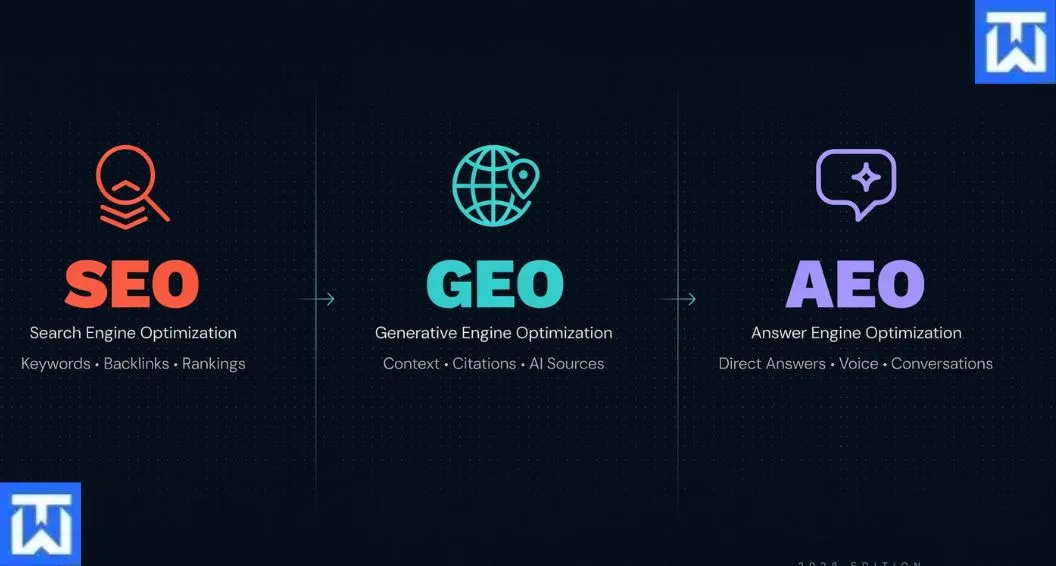
Local SEO vs SEO
Many newcomers wonder whether Local SEO and SEO are the same thing. While they share many optimization techniques, their goals differ.
Traditional SEO focuses on improving visibility across national or international search results. Businesses such as software companies, online retailers, publishers, and global brands usually prioritize traditional SEO.
Local SEO, on the other hand, targets customers within a defined geographic area.
Here are a few practical comparisons:
| Local SEO | Traditional SEO |
| Targets local customers | Targets broader audiences |
| Optimizes Google Business Profile | Focuses primarily on website optimization |
| Prioritizes Maps rankings | Prioritizes organic rankings |
| Uses location-specific keywords | Uses broader industry keywords |
| Builds local citations | Focuses more on domain authority |
For example, an online clothing retailer may optimize for “best running shoes,” while a local sports store targets “running shoes in San Jose.”
This demonstrates how Local SEO vs SEO examples differ based on business goals and target audiences.
Many discussions on Local SEO vs SEO Reddit conclude that businesses with physical locations should invest in both strategies whenever possible. Local optimization attracts nearby customers, while traditional SEO expands visibility beyond a single region.
Future of Local SEO
Local SEO continues to evolve as search engines adopt AI, machine learning, voice search, and personalized results. Businesses that create helpful content, optimize their Google Business Profile, and focus on user experience will stay competitive. As visual and zero-click searches become more common, maintaining an accurate and engaging online presence will be key to long-term local search success.
Final Thoughts
Local SEO is essential for businesses that want to attract nearby customers and grow their online presence. By optimizing your Google Business Profile, maintaining accurate business information, earning positive reviews, and creating quality local content, you can improve your visibility in Google Search and Google Maps. Whether you manage SEO yourself or work with a trusted local SEO agency, consistent optimization and a customer-focused approach will help your business achieve long-term success and stay ahead of the competition.
Frequently Asked Questions
1. What is local SEO?
Local SEO is the process of optimizing your online presence so your business appears in local search results on Google and Google Maps. It helps businesses attract nearby customers who are searching for products or services in a specific area.
2. What does local SEO stand for?
Local SEO stands for Local Search Engine Optimization. It focuses on improving visibility for businesses that serve customers within a specific city, region, or service area.
3. How does local SEO work?
Local SEO works by optimizing your website, Google Business Profile, local citations, customer reviews, and location-specific content. Search engines evaluate factors such as relevance, distance, and prominence to determine which businesses appear in local search results.
4. What is the difference between local SEO and SEO?
The main difference between Local SEO vs SEO is the target audience. Traditional SEO aims to rank websites nationally or globally, while local SEO focuses on attracting customers within a specific geographic location through Google Search and Google Maps.
5. Should small businesses invest in local SEO?
Absolutely. Local SEO for small businesses is one of the most cost-effective marketing strategies. It helps local companies compete with larger brands, attract nearby customers, generate qualified leads, and increase sales without relying entirely on paid advertising.