


Building a strong online presence requires more than just publishing content. Link building helps improve Google rankings, increase organic traffic, and build website authority by earning high-quality backlinks. In this guide, you’ll learn what link building is, why it matters, the different types of backlinks, and the best strategies to strengthen your SEO in 2026.
What Is Link Building?
Link-building is the process of getting hyperlinks (also called backlinks) from other websites to your own website. These links act as recommendations, telling search engines like Google that your content is useful, credible, and worth ranking higher in search results.
In simple words, every quality backlink is like a vote of confidence. The more relevant and authoritative websites that link to your pages, the stronger your website’s authority becomes.
Quick Answer
Link building is an SEO strategy used to earn backlinks from other websites to improve search rankings, increase website authority, drive referral traffic, and grow organic visibility.
Why Is Link Building Important for SEO?
Link building helps improve your website’s authority, search rankings, and organic traffic. High-quality backlinks from trusted websites increase credibility, boost keyword visibility, speed up indexing, and strengthen your online presence. Focus on earning relevant, authoritative backlinks for long-term SEO success.
How Does Link Building Work?
Link-building works by earning backlinks from trusted websites. Google evaluates these links based on authority, relevance, anchor text, link placement, and content quality. A single backlink from a reputable website is more valuable than many low-quality links.
Why Does Google Value High-Quality Backlinks?
Google values high-quality backlinks because they indicate that your content is trustworthy, relevant, and authoritative. Backlinks from reputable websites support E-E-A-T (Experience, Expertise, Authoritativeness, and Trustworthiness) and can improve your search rankings.
What Are Backlinks?
A backlink is a link from another website to your website that helps improve your site’s authority and SEO. Common sources include blogs, news sites, directories, educational websites, resource pages, forums, and industry publications. High-quality, relevant backlinks have the greatest impact on search rankings.
What Are the Different Types of Link Building?
There are three main types of link-building, each offering different SEO benefits.
1. Natural Link Building
Natural link-building occurs when other websites link to your content because it is valuable, informative, or unique. These backlinks are the most trusted by Google.
2. Manual Link Building
Manual link-building involves reaching out to website owners to earn backlinks through methods like guest posting, broken link building, resource page outreach, digital PR, and expert roundups.
3. Self-Created Link Building
Self-created links are added on platforms such as business directories, forum profiles, blog comments, and social profiles. While they can diversify your backlink profile, they should only be used as a supporting SEO strategy.
What Are the Main Types of Backlinks?
Different types of backlinks provide different levels of SEO value. The most important include:
Dofollow Backlinks
These backlinks pass SEO authority and help improve your website’s search rankings.
Nofollow Backlinks
Nofollow links don’t directly pass authority but can drive referral traffic and support a natural backlink profile.
Editorial Backlinks
Editorial backlinks are naturally earned when other websites link to your valuable content. They are among the most powerful backlinks for SEO.
Guest Post Backlinks
These backlinks come from articles you publish on relevant websites, helping build authority and improve rankings.
Resource Page Links
Resource page backlinks are earned when your content is featured on curated pages that recommend useful guides, tools, or educational resources.
White Hat vs. Black Hat Link Building
Choosing the right link-building approach is essential for long-term SEO success.
| White Hat Link Building | Black Hat Link Building |
| Earns backlinks naturally | Buys or manipulates backlinks |
| Creates valuable content | Uses spam tactics |
| Follows Google’s guidelines | Violates Google’s guidelines |
| Builds long-term authority | Risks penalties and ranking loss |
White Hat link building focuses on earning backlinks through quality content and ethical outreach. Black Hat link building relies on manipulative tactics like paid links, PBNs, and spam, which can result in Google penalties.
What Makes a High-Quality Backlink?
Not every backlink improves SEO. The best backlinks usually share several important characteristics.
A quality backlink comes from:
- Relevant websites
- Trusted domains
- Original content
- Contextual placements
- Natural anchor text
- Indexed pages
- High-authority publications
- Real editorial recommendations
When evaluating backlink opportunities, always prioritize quality, relevance, and user value over the number of links.
Key Takeaways
Modern link-building is about earning trust—not collecting random backlinks.
Search engines reward websites that consistently publish valuable content and attract natural, relevant, and authoritative links. By understanding how backlinks work and focusing on quality over quantity, you create a strong SEO foundation that supports sustainable rankings and long-term organic growth.
How to Build High-Quality Backlinks: 10 Proven Link Building Strategies for 2026
Successful link-building focuses on earning natural, high-quality backlinks through valuable content and ethical SEO practices. Below are 10 proven strategies used by SEO professionals to improve rankings, authority, and organic traffic in 2026.
1. Create Link-Worthy Content
The best link-building strategy starts with content people genuinely want to reference.
Instead of publishing ordinary blog posts, create resources that solve problems, answer common questions, or provide original insights. High-value content naturally attracts backlinks over time.
Examples of link-worthy content include:
- Ultimate guides
- Step-by-step tutorials
- Industry statistics
- Original research
- Case studies
- Free tools
- Templates
- Checklists
- Infographics
- Beginner guides
The more useful your content is, the more likely other websites will link to it.
2. Guest Posting on Relevant Websites
Guest posting helps you earn high-quality backlinks by publishing original content on trusted, relevant websites. Focus on creating valuable articles, using natural links, and providing helpful information to build authority and increase brand visibility.
3. Build Backlinks with Broken Link Building
Broken link-building is a smart strategy that benefits both website owners and SEO professionals.
Here’s how it works:
- Find broken links on relevant websites.
- Create or identify similar content on your website.
- Contact the website owner.
- Suggest replacing the broken link with your working resource.
Since you’re helping fix an issue, website owners are often happy to update the link.
4. Use Resource Page Link Building
Find resource pages related to your niche and suggest your valuable guides, tools, or tutorials. A backlink from a trusted resource page can improve your website’s authority and SEO.
5. Digital PR for High-Authority Backlinks
Use Digital PR by publishing industry research, surveys, reports, or product news. Newsworthy content can earn high-quality backlinks from journalists, media websites, and industry blogs.
6. Earn Links Through HARO and Expert Contributions
Journalists frequently need expert opinions for their articles.
By providing valuable insights, you can earn editorial backlinks from trusted websites.
Helpful platforms include:
- HARO alternatives
- Qwoted
- Featured
- SourceBottle
Expert contributions build credibility while improving your backlink profile.
7. Recover Lost and Broken Backlinks
Regularly audit your backlinks to find broken links, 404 errors, redirects, or removed references. Recovering lost backlinks is often easier and more effective than building new ones.
8. Publish Original Research
One of the fastest ways to earn natural backlinks is by publishing unique data.
Original statistics are frequently referenced by bloggers, journalists, and industry experts.
Examples include:
- SEO surveys
- Customer research
- Industry reports
- Performance studies
- Marketing benchmarks
- Trend analysis
The more unique your data, the more backlinks it can attract.
9. Build Relationships Instead of Just Links
Successful link building is about building relationships, not just earning backlinks. Connect with bloggers, journalists, influencers, business owners, and industry experts to gain guest posts, collaborations, mentions, and natural backlinks over time.
10. Create Shareable Visual Content
Visual assets earn backlinks because they’re easy to reference.
Consider creating:
- Infographics
- Charts
- Statistics graphics
- Comparison tables
- Process diagrams
- Interactive tools
- Calculators
- Templates
Whenever someone uses your visual content, they often provide a backlink as the source.
How to Choose the Best Link Building Strategy
Choose your link building strategy based on your SEO goals:
| Goal | Best Strategy |
| Increase rankings | Guest posting |
| Build authority | Digital PR |
| Earn backlinks | Link-worthy content |
| Drive referral traffic | Resource page links |
| Build trust | Expert contributions |
| Recover lost SEO value | Broken link recovery |
Using a mix of these strategies creates a stronger and more natural backlink profile.
Best Practices for Successful Link Building
Following SEO best practices helps you build backlinks safely and sustainably.
Always:
- Focus on quality over quantity.
- Earn links from relevant websites.
- Create valuable content.
- Use natural anchor text.
- Diversify backlink sources.
- Build relationships with publishers.
- Monitor backlinks regularly.
- Update older content.
- Avoid spam tactics.
- Think long term.
Consistency is more important than speed when building authority.
Common Link Building Mistakes to Avoid
Many websites fail because they chase shortcuts instead of building genuine authority.
Avoid these mistakes:
- Buying backlinks
- Using Private Blog Networks (PBNs)
- Excessive reciprocal linking
- Automated backlink software
- Spam blog comments
- Irrelevant directory submissions
- Keyword-stuffed anchor text
- Low-quality guest posts
- Duplicate content
- Ignoring backlink quality
Google’s algorithms are designed to detect manipulative practices. A few high-quality backlinks will always outperform hundreds of low-quality ones.
Pro Tips to Improve Your Link Building Results
Improve your link building strategy by creating high-quality content, updating old pages, targeting long-tail keywords, building topic clusters, promoting content, monitoring backlinks, and earning natural editorial links. These practices help increase authority, rankings, and long-term organic traffic.
Why Quality Matters More Than Quantity
Modern link building focuses on quality, not the number of backlinks. Google evaluates links based on:
- Relevance
- Authority
- Trustworthiness
- Context
- User value
- Editorial placement
- Website quality
A single backlink from a trusted, relevant website is often more valuable than hundreds of low-quality links. Focus on earning authoritative backlinks to achieve long-term SEO success.
Key Takeaways
Successful link building combines valuable content, ethical outreach, and strong relationships. Focus on earning high-quality editorial backlinks, recovering lost links, and avoiding spammy tactics to improve rankings, increase organic traffic, and build long-term website authority.
Link Building Checklist
Before launching your next link building campaign, make sure you have completed these essential steps:
- Publish high-quality, original content.
- Target relevant keywords naturally.
- Optimize on-page SEO.
- Improve website speed and user experience.
- Identify authoritative websites in your niche.
- Personalize outreach emails.
- Earn editorial backlinks.
- Monitor new and lost backlinks.
- Remove or disavow harmful links if necessary.
- Update existing content regularly.
Following this checklist helps build a healthy backlink profile and supports sustainable SEO growth.
Link Building Best Practices for 2026
SEO continues to evolve, and successful link building now focuses on authority, relevance, and user value rather than sheer volume.
Keep these best practices in mind:
- Prioritize topical authority over random backlinks.
- Create comprehensive content that answers user intent.
- Build backlinks from websites within your industry.
- Use natural anchor text instead of exact-match keywords everywhere.
- Strengthen internal linking alongside external backlinks.
- Refresh outdated articles with new insights and data.
- Diversify your backlink sources.
- Monitor backlink quality consistently.
- Focus on long-term relationships with publishers and industry experts.
A strategic, user-focused approach delivers stronger and more sustainable results than chasing shortcuts.
Conclusion
Link building is about earning trust, not just collecting backlinks. By creating valuable content, building high-quality editorial links, and following ethical SEO practices, you can improve rankings, increase organic traffic, and grow your website’s authority for long-term success.
Frequently Asked Questions
What is link building in SEO?
Link building is the process of earning backlinks from other websites to improve your website’s authority, rankings, and organic traffic.
Why is link building important?
Link building helps improve Google rankings, increase domain authority, drive referral traffic, and boost your website’s credibility.
What is a backlink?
A backlink is a link from another website to your website that helps search engines measure your site’s trust and authority.
How long does link building take?
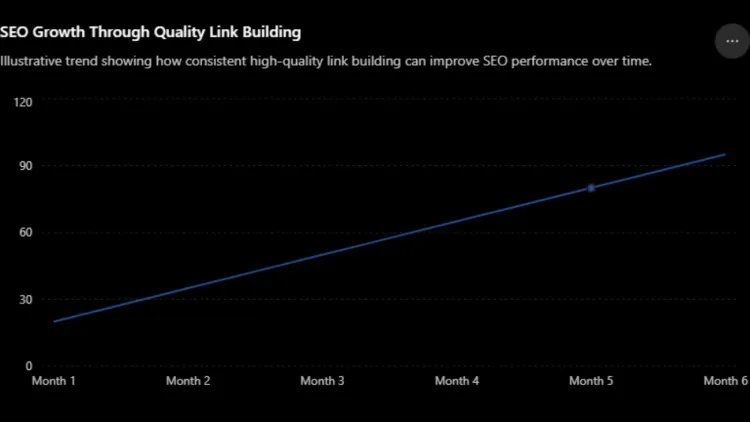
Link building is a long-term strategy. Most websites start seeing SEO improvements within 3–6 months, depending on competition and backlink quality.
How many backlinks do I need?
There is no fixed number. A few high-quality, relevant backlinks are more valuable than hundreds of low-quality links.


2 comments on “Link Building Guide: Best High-Quality Backlinks 2026”
Hi my family member! I wish to say that this article is amazing, great written and come with approximately all significant infos.
I would like to look more posts like this .
Thank you for your thoughtful comment. We’re pleased that you found the article well-written and informative. Your support encourages us to continue creating high-quality content.