


Content marketing is a strategic approach that helps businesses attract, engage, and convert audiences by creating valuable and relevant content. This complete content marketing guide covers key strategies, benefits, types, and best practices to help brands improve online visibility, build trust, and achieve sustainable growth in 2026. From SEO optimization and content creation to promotion and performance tracking, learn how modern businesses can use content marketing effectively.
What Is Content Marketing?
Content marketing is a strategy that involves creating and sharing valuable content to attract, engage, and retain a target audience. Instead of directly promoting products, it focuses on educating users, solving problems, and building trust.
Examples of content marketing include blog posts, videos, social media posts, email newsletters, podcasts, infographics, case studies, ebooks, webinars, and research reports. A successful content marketing strategy helps businesses improve visibility, establish authority, and convert audiences into loyal customers.
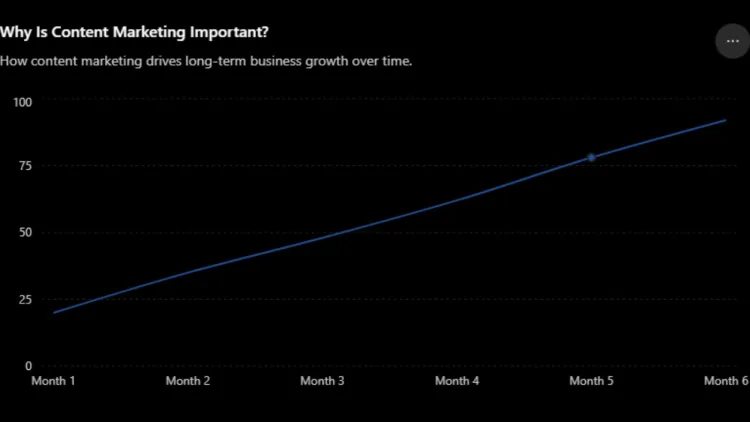
Why Is Content Marketing Important?
Content marketing is important because customers now search for information before making purchasing decisions. A strong content marketing strategy helps businesses attract audiences, build trust, and increase conversions.
By consistently publishing valuable content, brands can establish authority, educate customers, and strengthen relationships. For example, financial companies can share investment guides, while technology brands can create tutorials and product resources to demonstrate expertise.
Improves Search Engine Rankings
Content marketing plays a major role in SEO by helping websites rank higher in search results. Optimized, valuable content improves visibility, builds topical authority, and attracts organic traffic.
Effective SEO-focused content includes keyword research, search intent optimization, internal linking, proper headings, meta descriptions, backlinks, and regular updates. High-quality content gives search engines more reasons to trust and rank your website.
Generates Qualified Leads
Content marketing attracts people who are already interested in your industry.
For example, someone searching for “best accounting software for small businesses” is likely researching a solution. A company that publishes a helpful comparison guide can attract that visitor and move them closer to becoming a customer.
Lead generation content often includes:
- Free guides
- Downloadable templates
- Checklists
- Webinars
- Email newsletters
- Case studies
Unlike traditional advertisements that interrupt users, content marketing attracts people naturally by providing value.
Creates Long-Term Marketing Results
Paid advertising can generate immediate traffic, but results usually stop when campaigns end. Content marketing works differently.
A well-written article can continue attracting visitors from search engines months or years after publication.
This makes content marketing a valuable long-term investment. Businesses that consistently create useful resources can build a strong digital asset library that continues producing results.
How Content Marketing Works
Content marketing works through a structured process that includes audience research, content planning, creation, publishing, and promotion. Businesses first understand their audience’s needs, then create valuable content that solves problems and supports marketing goals.
Common content formats include blogs, videos, social media posts, emails, infographics, podcasts, case studies, ebooks, and whitepapers. Each format helps businesses educate users, improve SEO, increase engagement, and build trust with their audience.
Benefits of Content Marketing
Content marketing helps businesses build trust, attract visitors, engage customers, and achieve long-term growth. Unlike short-term advertising, valuable content continues generating results over time.
Key benefits include improving SEO rankings, increasing organic traffic, strengthening customer relationships, supporting sales decisions, and delivering a better return on investment. High-quality content helps brands establish authority and create lasting connections with their audience.
How to Create a Content Marketing Strategy
A successful content marketing strategy guide requires planning, research, execution, and measurement.
Creating random content without a clear purpose usually produces poor results. Businesses need a structured approach.
Step 1: Define Your Marketing Goals
Before creating content, determine what you want to achieve.
Common goals include:
- Increasing website traffic
- Generating leads
- Improving brand awareness
- Increasing sales
- Building industry authority
- Growing email subscribers
Clear goals make it easier to measure success.
Step 2: Identify Your Target Audience
Understanding your audience is essential.
Research:
- Customer demographics
- Interests
- Challenges
- Buying behavior
- Search habits
Create customer profiles that explain who you are targeting.
For example, a CEO’s guide to content marketing emphasizes understanding business goals, customer needs, and market positioning before investing in content.
Executives should view content marketing as a strategic business asset rather than only a marketing activity.
Step 3: Conduct Keyword Research
Keyword research helps identify what people search for online.
Useful tools include:
- Google Keyword Planner
- Ahrefs
- Semrush
- Moz
- Ubersuggest
Focus on:
- Search volume
- Competition level
- Search intent
- Related keywords
Understanding search intent ensures content matches what users actually need.
Step 4: Create a Content Calendar
A content calendar organizes your publishing schedule.
It should include:
- Content topic
- Target keyword
- Publishing date
- Content format
- Author
- Promotion plan
Consistency helps maintain audience interest and improves SEO performance.
Step 5: Create High-Quality Content
Quality is the foundation of successful content marketing.
Strong content should:
- Answer user questions
- Provide practical solutions
- Include expert insights
- Use clear formatting
- Avoid unnecessary information
Google increasingly focuses on helpful content, meaning websites should prioritize users over search engine manipulation.
The content marketing guide for helpful content and storytelling approach focuses on creating meaningful content that connects emotionally with audiences while providing real value.
Step 6: Promote Your Content
Creating content is only half the process.
Promotion methods include:
- Social media sharing
- Email marketing
- Guest posting
- Influencer partnerships
- Community engagement
- Online forums
A strong distribution strategy ensures content reaches the right audience.
Content Marketing and SEO: How They Work Together
A successful content marketing guide cannot be complete without explaining the relationship between content marketing and search engine optimization (SEO). Content marketing and SEO work together to increase online visibility, attract organic visitors, and improve website authority.
SEO helps search engines understand and rank your content, while content marketing provides the valuable information users are searching for.
When businesses create helpful, well-optimized content, they increase their chances of appearing in search results for relevant keywords.
How Content Marketing Boosts SEO
Content marketing improves SEO by helping websites increase visibility, build authority, and attract organic traffic. Valuable content allows businesses to target more keywords, create strong internal links, earn backlinks, and improve user experience.
By publishing helpful and optimized content, websites can rank for more searches, gain trust from search engines, and achieve long-term growth.
Content Marketing and Artificial Intelligence
Artificial intelligence has changed how marketers research, create, and optimize content. AI tools help improve efficiency by supporting tasks like content ideas, outlines, keyword analysis, personalization, editing, and performance tracking.
The topic “Artificial Intelligence: A Content Marketer’s Guide to Natural Language Generation” highlights how AI-powered systems can streamline content workflows while supporting human creativity.
However, successful content marketing still depends on human expertise. AI-generated content should be reviewed for accuracy, originality, brand voice, audience relevance, and expert insights.
The best strategy combines AI technology with human creativity to create valuable, engaging, and effective content.
Content Marketing Guide for Asset Managers
Financial industries require a specialized approach because customers need trust and confidence before making decisions.
A content marketing guide for asset managers focuses on educating audiences, demonstrating expertise, and building credibility.
Asset managers can use content marketing to explain complex financial topics in simple language.
Effective content ideas include:
- Market analysis reports
- Investment education articles
- Economic trend discussions
- Portfolio management guides
- Financial planning resources
- Industry research
Why Content Marketing Matters for Asset Managers
Potential investors often research before choosing a financial service provider.
Educational content allows asset managers to:
- Build trust
- Demonstrate expertise
- Improve brand reputation
- Attract qualified prospects
For example, articles explaining investment strategies can help potential clients understand financial concepts before contacting an advisor.

Content Ideas for Asset Management Firms
A content marketing guide for asset management firms should include content strategies such as:
Market Insights
Regular market updates demonstrate industry knowledge.
Examples:
- Monthly market reports
- Economic forecasts
- Investment trend analysis
Educational Resources
Many customers need help understanding financial concepts.
Useful topics include:
- Retirement planning
- Risk management
- Portfolio diversification
- Investment principles
Thought Leadership Content
Expert opinions help position firms as industry leaders.
Examples:
- Executive interviews
- Research articles
- Opinion pieces
Content Marketing for CEOs and Business Leaders
Many executives recognize the importance of digital visibility but do not always understand how content marketing supports business growth.
A CEO’s guide to content marketing focuses on strategic benefits rather than daily content production.
CEOs should view content marketing as:
- A brand-building investment
- A customer education system
- A competitive advantage
- A long-term growth strategy
How CEOs Can Support Content Marketing
Leadership involvement improves credibility.
Executives can contribute through:
- Industry insights
- Interviews
- Opinion articles
- Company vision statements
- Thought leadership content
Customers often trust brands more when they see real expertise from company leaders
Content Marketing for Different Industries
Content marketing can be adapted for almost every industry.
A successful strategy depends on understanding customer needs and creating relevant information.
Content Marketing for Hunting Guides
Even specialized industries can benefit from content marketing.
Content marketing for hunting guides focuses on attracting outdoor enthusiasts through educational and experience-based content.
Useful content topics include:
- Hunting preparation tips
- Equipment recommendations
- Safety guides
- Location information
- Wildlife education
- Seasonal hunting advice
Storytelling is especially valuable in this industry because audiences connect with personal experiences and outdoor adventures.
Helpful Content and Storytelling in Content Marketing
Modern audiences do not want generic promotional content. They want useful information combined with authentic experiences.
A content marketing guide for helpful content and storytelling focuses on creating content that connects emotionally while solving real problems.
Strong storytelling includes:
- Real examples
- Customer experiences
- Personal insights
- Practical lessons
- Clear solutions
Why Storytelling Matters
Stories make information easier to remember.
For example, instead of simply explaining a product feature, businesses can share how customers used that feature to solve a problem.
Storytelling helps brands:
- Create emotional connections
- Improve engagement
- Build trust
- Increase conversions
Content Distribution Strategies
Creating excellent content is not enough. Businesses must distribute content effectively.
A complete content marketing guides approach includes multiple distribution channels.
Search Engine Distribution
SEO helps content reach people actively searching for information.
Optimization strategies include:
- Keyword targeting
- Structured content
- Technical SEO
- Content updates
Social Media Distribution
Social platforms increase content visibility and engagement.
Businesses should adapt content for each platform.
For example:
- LinkedIn for professional insights
- Instagram for visual content
- YouTube for tutorials
- X for industry discussions
Email Distribution
Email allows businesses to reach existing audiences directly.
Effective email strategies include:
- Weekly newsletters
- Content recommendations
- Educational sequences
- Personalized messages
Measuring Content Marketing Success
A strong strategy requires tracking performance.
Important content marketing metrics include:
Website Traffic
Measures how many visitors content attracts.
Keyword Rankings
Shows how well content performs in search engines.
Engagement Metrics
Includes:
- Average time on page
- Bounce rate
- Pages per session
Lead Generation
Measures whether content creates business opportunities.
Examples:
- Contact form submissions
- Newsletter signups
- Downloads
Conversion Rate
Shows how many visitors complete desired actions.
Examples:
- Purchases
- Consultations
- Registrations
Content Marketing Best Practices
A successful content marketing guide should not only explain what content marketing is but also provide practical methods for achieving consistent results. Many businesses fail because they focus only on publishing content instead of creating valuable experiences for their audience.
Following proven best practices helps brands create content that attracts visitors, builds trust, improves SEO performance, and generates measurable business results.
Focus on Audience Needs
Successful content marketing starts with understanding the audience, their challenges, questions, and preferences. Creating content that solves user problems builds trust, improves engagement, and delivers better results.

Create Helpful and Original Content
Search engines and users prefer original, valuable content that provides real solutions. High-quality content should include expert insights, real examples, practical advice, unique ideas, and updated information.
A successful content marketing strategy focuses on helping users rather than only targeting keywords. User-first writing and storytelling create meaningful content that builds trust and improves engagement.
Maintain a Consistent Publishing Schedule
Consistency is one of the biggest factors in content marketing success.
Publishing regularly helps:
- Build audience expectations
- Increase website activity
- Improve brand visibility
- Create more ranking opportunities
However, quality should always come before quantity.
Publishing one excellent article every week is usually more effective than publishing several low-quality posts.
Optimize Content for Search Engines
SEO optimization helps content reach the right audience. Use keywords naturally, create clear titles and headings, add internal links, optimize images with alt text, and ensure fast, mobile-friendly performance.
Avoid keyword stuffing and focus on improving user experience, readability, and search engine understanding.
Common Content Marketing Mistakes
Common mistakes include creating content without a strategy, ignoring search intent, publishing low-quality articles, avoiding updates, and failing to promote content.
A successful content marketing strategy focuses on user needs, valuable information, regular improvements, and effective distribution.
Future of Content Marketing
The future of content marketing will be shaped by artificial intelligence, personalization, changing search behavior, and increasing demand for authentic information.
Businesses that adapt to these changes will have stronger opportunities to compete online.
Artificial Intelligence and Content Creation
AI is transforming content creation by improving research, personalization, optimization, and audience analysis. However, human creativity and expertise remain essential for producing original and authentic content.
Personalized Content Experiences
Consumers increasingly expect personalized experiences.
Future content marketing strategies will focus on delivering the right content to the right audience at the right time.
Examples include:
- Personalized emails
- Customized website experiences
- Recommended resources
- Industry-specific content
Video and Interactive Content Growth
Video content will continue becoming more important.
Interactive formats such as:
- Quizzes
- Calculators
- Surveys
- Interactive tools
will help businesses increase engagement.
Voice Search Optimization
As smart devices become more common, voice search optimization will become increasingly important.
Businesses should create content that answers natural language questions.
This includes:
- FAQ sections
- Conversational writing
- Clear answers
- Structured content
Experience-Based Content
Search engines increasingly value content created from real experience.
Future content marketing guides will focus more on:
- Expert opinions
- Personal experiences
- Case studies
- First-hand knowledge
Brands that demonstrate real expertise will have stronger competitive advantages.
Advanced Content Marketing Strategies
Advanced strategies like topic clusters, content repurposing, user-generated content, and thought leadership help businesses improve SEO, increase reach, and build authority.
These methods organize content, maximize visibility across platforms, build customer trust, and position brands as industry experts.
Conclusion
Content marketing helps businesses build authority, attract customers, and achieve long-term growth. A successful strategy requires valuable content, audience understanding, SEO optimization, effective promotion, and performance tracking.
By combining expertise, storytelling, and AI-powered tools, businesses can create helpful resources that build trust and drive sustainable digital success.
Frequently Asked Questions
1:What is content marketing?
Content marketing is a strategy that involves creating and distributing valuable information to attract, engage, and convert a target audience. A successful content marketing guide focuses on providing useful content instead of only promoting products or services.
2:Why is content marketing important for businesses?
Content marketing helps businesses increase visibility, build trust, improve SEO rankings, attract leads, and develop long-term customer relationships.
3:How does content marketing improve SEO?
Content marketing improves SEO by creating opportunities for keyword rankings, earning backlinks, increasing website authority, improving user engagement, and helping search engines understand website topics.
4:How often should businesses publish content?
There is no universal publishing schedule. The best approach depends on available resources and goals. Many businesses publish weekly, while others focus on fewer but more comprehensive resources.
5:Is AI useful for content marketing?
Yes, AI can support content marketing by helping with research, brainstorming, optimization, and personalization. However, human expertise is necessary to ensure accuracy, originality, and quality.



6 comments on “How to Build a Content Marketing Strategy in 2026”
Very informative post. the examples made the topic easier to understand. Have a great day and thanks for sharing.
Thank you! We’re glad you found the post helpful. Have a great day!
Great content! Keep up the good work!
Thank you! We’re glad you enjoyed it and appreciate your support
I really appreciated a clear perspective on the topic today and I look forward to reading more from you
Thank you! We’re glad you enjoyed the article and look forward to seeing you again