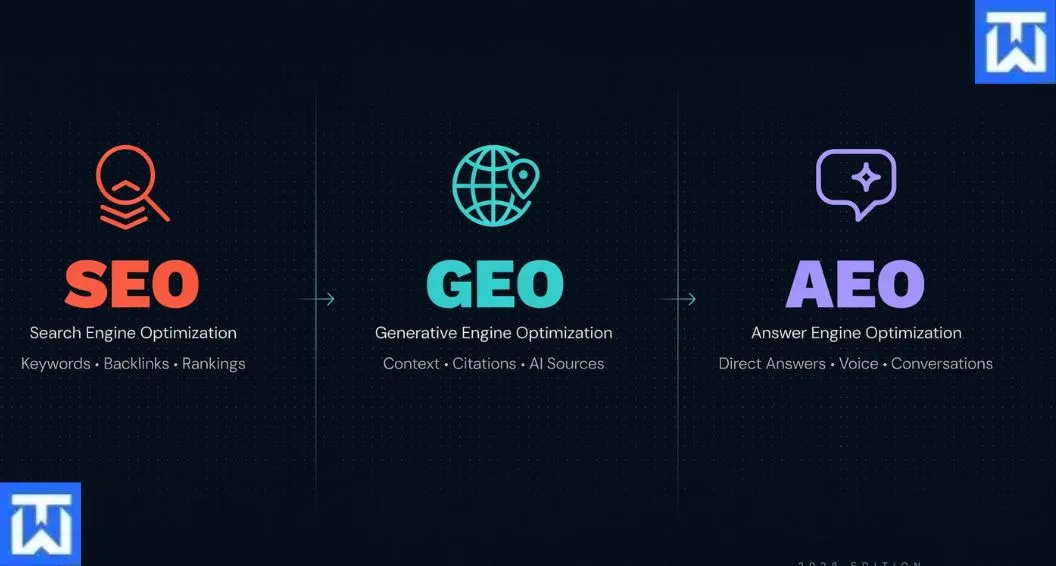


Search engine optimization (SEO) is essential for improving your website’s visibility, attracting organic traffic, and achieving higher rankings on search engines. A successful SEO strategy combines on page SEO, technical SEO, and off-page SEO to create a website that is valuable for both users and search engines. This complete checklist will guide you through the most important SEO practices to help improve your rankings, enhance user experience, and support long-term online growth.
What Is On Page SEO?
On page SEO is the process of optimizing individual web pages to improve search engine rankings and increase organic traffic. It includes optimizing content, titles, meta descriptions, headings, URLs, images, and internal links.
It helps search engines understand your page and improves user experience. Good on page SEO boosts visibility, engagement, and long-term organic growth.
Technical SEO Checklist
While on page SEO focuses on optimizing your content, technical SEO ensures search engines can crawl, index, and understand your website without issues. A strong technical SEO checklist improves website performance, user experience, and search rankings.
Improve Website Speed
Regular technical audits help identify and fix issues before they impact your search visibility. Website speed is an important ranking factor and directly affects user experience. Improve loading times by compressing files, optimizing images, enabling browser caching, using a CDN, removing unnecessary plugins, and choosing reliable hosting. A faster website leads to better engagement, higher conversions, and improved SEO performance.
Ensure Mobile Friendliness
Today, most searches come from mobile devices. Google uses mobile-first indexing, meaning it primarily evaluates the mobile version of your website when determining rankings.
Your website should:
- Adjust automatically to different screen sizes.
- Display readable fonts.
- Have clickable buttons with proper spacing.
- Avoid horizontal scrolling.
- Load quickly on smartphones and tablets.
Responsive design is now essential rather than optional.
Secure Your Website with HTTPS
Website security builds trust with users and search engines. HTTPS encrypts data transferred between the website and visitors, protecting sensitive information.
A secure website also displays the padlock icon in browsers, increasing user confidence and improving credibility.
Create an XML Sitemap
An XML sitemap helps search engines discover your pages more efficiently.
Your sitemap should:
- Include important pages only.
- Update automatically when new content is published.
- Exclude duplicate or unnecessary URLs.
- Be submitted through Google Search Console.
This simple step improves crawling efficiency.
Optimize Robots.txt
The robots.txt file tells search engine bots which areas of your website they should or should not crawl.
Be careful not to block important pages from indexing accidentally.
Fix Broken Links
Broken internal and external links create a poor user experience and waste crawl budget.
Regularly check for:
- 404 errors
- Broken images
- Redirect loops
- Incorrect URLs
Repairing these issues keeps your website healthy.
Use Structured Data
Structured data (Schema Markup) helps search engines better understand your content.
It can improve visibility through rich results such as:
- FAQs
- Reviews
- Recipes
- Products
- Articles
- Events
Rich snippets often increase click-through rates.
Optimize Core Web Vitals
Google evaluates user experience through Core Web Vitals, which measure loading speed, responsiveness, and visual stability.
Focus on improving:
- Largest Contentful Paint (LCP)
- Interaction to Next Paint (INP)
- Cumulative Layout Shift (CLS)
Optimizing these metrics contributes to better rankings and a smoother browsing experience
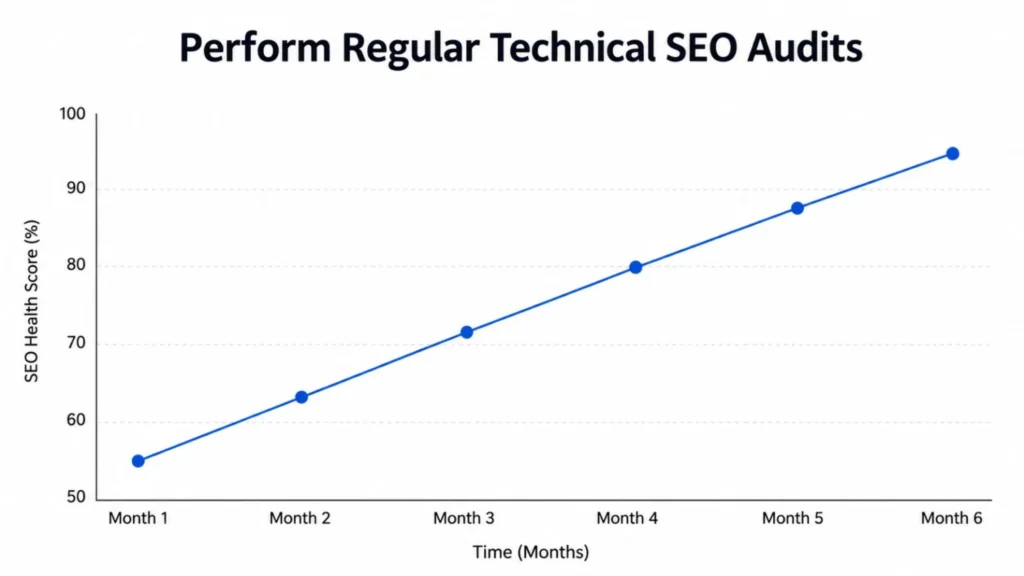
Perform Regular Technical SEO Audits
Regular technical SEO audits help keep your website healthy and search-engine friendly. Review crawl errors, indexing issues, duplicate content, redirects, page speed, mobile usability, sitemaps, canonical tags, HTTPS, and structured data. Using a technical SEO checklist or template ensures no critical task is missed and helps maintain consistent performance over time.
On Page SEO Factors List
There are hundreds of ranking signals, but several On page SEO factors list items have the greatest impact on search performance.
High-Quality Content
Content remains the foundation of successful SEO. Every page should provide original, valuable, and well-organized information that satisfies user intent.
Instead of writing short articles, aim for comprehensive resources that answer related questions naturally.
Keyword Placement
Use your primary keyword naturally in:
- Title tag
- Meta description
- URL
- Introduction
- Headings
- Image alt text
- Conclusion
Avoid keyword stuffing, as modern search engines prioritize natural language.
Content Freshness
Updating existing articles keeps them relevant and signals to search engines that your website is actively maintained.
Regular updates may include:
- New statistics
- Updated screenshots
- Improved examples
- Additional FAQs
- Recent trends
- New optimization tips
Internal Links
Link related articles together whenever appropriate.
For example:
- Keyword research
- Content marketing
- Technical optimization
- Link building
- User experience
Strong internal linking helps search engines understand topical relationships across your website.
External Links
Linking to authoritative and trustworthy sources increases credibility and provides additional value to readers.
Only reference reliable websites with accurate information.
Image Optimization
Optimized images improve:
- Accessibility
- Page speed
- User experience
- Search visibility
Always include descriptive filenames and meaningful alt text.
Readability
Search engines increasingly evaluate user satisfaction.
Improve readability by:
- Writing short paragraphs
- Using descriptive headings
- Adding bullet points
- Keeping sentences concise
- Explaining complex topics clearly
Easy-to-read content keeps visitors engaged longer.
WordPress SEO Checklist
A WordPress SEO checklist helps ensure every page is fully optimized before publishing. Key tasks include installing an SEO plugin, optimizing titles and meta descriptions, using SEO-friendly permalinks, enabling XML sitemaps, compressing images, improving site speed, updating WordPress, removing unused plugins, strengthening security, and adding internal links. Following these steps makes long-term SEO management easier and more effective.
Best Technical SEO Tools
The right technical SEO tools help identify and fix website issues quickly. Popular options include Google Search Console for indexing and crawl errors, Google Analytics for traffic insights, Screaming Frog SEO Spider for technical audits, Semrush for site audits and SEO analysis, Ahrefs for backlink and keyword research, and PageSpeed Insights for performance optimization. Using a combination of these tools gives you a complete view of your website’s SEO health.
Understanding the Different Types of SEO
A successful digital strategy involves more than just on page SEO. Search engine optimization is generally divided into four core areas, each serving a different purpose.
On page SEO focuses on optimizing content, headings, keywords, images, and internal links within your website.
Off-page SEO builds authority through backlinks, brand mentions, social signals, and digital PR.
Technical SEO ensures that your website is fast, secure, mobile-friendly, and easy for search engines to crawl and index.
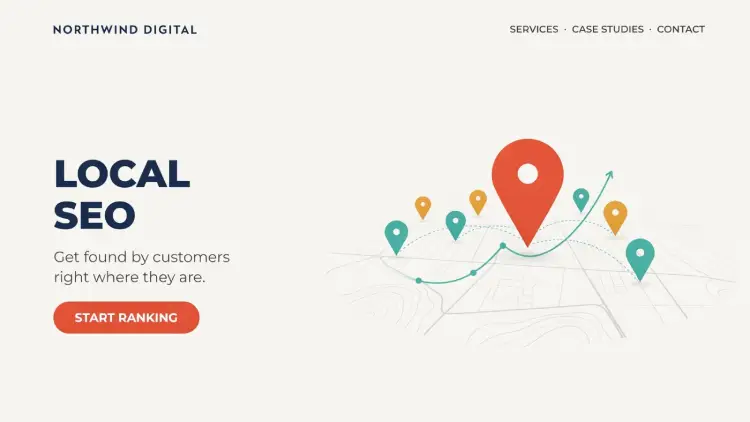
Local SEO helps businesses appear in location-based searches by optimizing business listings, local citations, and customer reviews.
For many websites, combining all four types creates the strongest long-term SEO strategy.

Off-Page SEO Checklist
While on page SEO focuses on optimizing your website itself, off-page SEO improves your site’s authority and reputation across the internet. Search engines consider external signals to determine whether a website is trustworthy, relevant, and deserving of higher rankings.
A well-planned Off-page SEO checklist works alongside your on page efforts to create a balanced SEO strategy. Even perfectly optimized pages may struggle to rank if they lack authority and quality backlinks.
Below are the most effective off-page optimization practices.
Build High-Quality Backlinks
Backlinks remain one of the strongest ranking factors. However, quality is much more important than quantity.
Focus on earning links from:
- Authoritative websites
- Industry blogs
- Educational websites
- News publications
- Relevant business directories
Avoid purchasing spammy backlinks or participating in link schemes, as these can result in search engine penalties.
Publish Shareable Content
Creating valuable content naturally attracts backlinks and social shares.
Content that performs well includes:
- Comprehensive guides
- Original research
- Infographics
- Case studies
- Statistics
- Tutorials
- Industry reports
When your content solves real problems, other websites are more likely to reference it.
Guest Blogging
Writing guest articles for reputable websites helps:
- Build authority
- Reach new audiences
- Earn relevant backlinks
- Increase brand awareness
Choose websites within your niche and focus on providing genuine value rather than publishing solely for links.
Strengthen Brand Mentions
Search engines increasingly recognize brand mentions, even when they are not linked.
You can improve your online presence by:
- Participating in interviews
- Publishing expert opinions
- Contributing to industry discussions
- Being featured in online publications
Strong branding supports long-term SEO growth.
Leverage Social Media
Although social media signals are not direct ranking factors, they help distribute content to larger audiences.
Promote articles on platforms where your audience is active to encourage engagement, shares, and potential backlinks.
Manage Online Reviews
For businesses, positive customer reviews build trust and improve local visibility.
Encourage satisfied customers to leave honest reviews on trusted platforms and respond professionally to both positive and negative feedback.
Monitor Your Backlink Profile
Regularly review your backlink profile to identify:
- Lost backlinks
- Toxic links
- New referring domains
- Anchor text distribution
Removing or disavowing harmful links can protect your website from ranking issues.
Off-Page SEO Techniques
Modern off-page SEO goes beyond link building to improve your website’s authority and online reputation. Effective techniques include digital PR, influencer outreach, broken link building, content syndication, brand mention monitoring, podcast appearances, community engagement, forum participation, and local citations. Using an off-page SEO checklist helps organize these activities and track long-term SEO growth.
Off-Page SEO Types
Off-page SEO includes several strategies that build your website’s authority and trust. The main types are link building, brand building, social engagement, local SEO signals, and digital PR. Combining these techniques creates a stronger online presence and supports long-term search engine rankings.
On Page SEO vs. Off-Page SEO
On page SEO focuses on optimizing elements within your website, such as content, keywords, headings, images, and internal links. Off-page SEO builds your site’s authority through backlinks, brand mentions, reviews, and digital PR. While on npage SEO creates a strong foundation, off-page SEO improves credibility and trust. Using both strategies together delivers the best long-term search engine rankings.
E-Commerce SEO Checklist
An e-commerce SEO checklist helps online stores improve visibility and rankings. Key tasks include writing unique product descriptions, optimizing category pages, using descriptive titles, adding high-quality images and reviews, implementing product schema, improving site speed, creating internal links, and ensuring a mobile-friendly shopping experience. Regularly checking crawl errors and broken product pages also helps maintain strong SEO performance.
Can AI and ChatGPT Help with SEO?
Yes, AI and ChatGPT can make SEO more efficient by helping with keyword research, content ideas, article outlines, meta descriptions, readability improvements, FAQs, and internal linking suggestions. However, AI works best as a support tool—not a replacement for human expertise. Reviewing and refining AI-generated content ensures it remains accurate, original, and valuable for both users and search engines.
Is SEO Still a Valuable Career?
Yes, SEO remains a valuable and in-demand career. Businesses rely on SEO to increase organic traffic, leads, and sales, creating strong demand for skilled professionals. Career paths include SEO Specialist, Technical SEO Analyst, Content Strategist, Digital Marketing Manager, Consultant, Freelancer, and Agency Expert. As online competition grows, SEO continues to offer excellent long-term career opportunities.
Best On Page SEO Tools
The right on page SEO tools help optimize content, monitor performance, and improve rankings. One of the most important is Google Search Console, a free tool that tracks keyword performance, monitors indexing, detects crawl errors, submits XML sitemaps, reviews Core Web Vitals, and identifies pages that need optimization. It is an essential tool for every website owner.
Google Analytics
Google Analytics provides valuable insights into how visitors interact with your website.
It helps you understand:
- Traffic sources
- User behavior
- Bounce rate
- Average engagement time
- Conversion tracking
- Top-performing pages
These insights allow you to improve your on page SEO strategy based on real user data.
Semrush
Semrush is a powerful SEO platform for keyword research, competitor analysis, site audits, rank tracking, and backlink monitoring. Its On Page SEO Checker provides personalized optimization recommendations to improve your content and search rankings.
Ahrefs
Ahrefs is ideal for keyword research, backlink analysis, competitor insights, content gap analysis, and rank tracking, making it a favorite tool for SEO professionals.
Yoast SEO
Yoast SEO is a popular WordPress plugin that helps optimize meta titles, descriptions, XML sitemaps, readability, schema markup, and canonical URLs, making SEO easier for beginners and experts.
Rank Math
Rank Math is a feature-rich WordPress SEO plugin that offers keyword optimization, rich snippets, internal link suggestions, WooCommerce SEO, redirects, and detailed SEO scoring to improve website performance.
Creating an Effective SEO Workflow
SEO is an ongoing process that requires regular optimization and monitoring. A simple workflow starts with keyword research, followed by content planning, on page optimization, and a technical SEO review. After publishing, promote your content through social media, email, and outreach, then track performance using SEO tools. Regular updates help maintain rankings and improve long-term results.

Common O Page SEO Mistakes to Avoid
Avoid common on page SEO mistakes such as keyword stuffing, duplicate content, ignoring search intent, poor internal linking, slow page speed, missing image alt text, weak meta descriptions, and outdated content. Focusing on quality, user experience, and regular content updates will help improve your search rankings and keep your website competitive.
Why Consistency Matters in SEO
Many websites publish a few articles and expect immediate results. In reality, successful SEO requires consistency.
Publishing high-quality content regularly helps search engines recognize your website as active and trustworthy. Over time, consistent optimization can lead to:
- Increased organic traffic
- Better keyword rankings
- More backlinks
- Higher user engagement
- Improved brand authority
- Greater conversion rates
The most successful websites continually review and improve their existing content instead of relying only on new articles.
Final Thoughts
On page SEO is essential for improving search rankings and delivering a better user experience. Optimizing your content, keywords, headings, images, URLs, and internal links creates a strong foundation for long-term success. For the best results, combine on page SEO with technical SEO, quality backlinks, and regular content updates. Following a structured SEO checklist helps keep every page optimized and supports consistent organic growth over time.
Search engine optimization continues to evolve, but its core principles remain the same: create valuable content, provide an excellent user experience, and optimize every page with purpose. When combined with patience and continuous improvement, these practices can deliver long-term rankings, increased traffic, and lasting online success.
Frequently Asked Questions
1. What is on SEO?
On page SEO is the process of optimizing webpage elements like content, headings, keywords, images, URLs, and meta tags to improve search rankings and user experience.
2. How often should I update on page SEO?
Review and update important pages every 3–6 months to keep content fresh, accurate, and optimized.
3. Which is more important: on page SEO or off-page SEO?
Both are important. O npage SEO optimizes your website, while off-page SEO builds authority through backlinks and brand mentions.
4. What does a technical SEO checklist include?
It typically covers page speed, mobile-friendliness, HTTPS, XML sitemaps, crawl errors, structured data, and Core Web Vitals.
5. Can beginners learn SEO?
Yes. Beginners can learn SEO by mastering the basics, practicing regularly, using SEO tools, and staying updated with current best practices.