

PPC Marketing (Pay-Per-Click Marketing) is a powerful digital advertising strategy that helps businesses drive targeted traffic, generate leads, and increase sales. You only pay when someone clicks your ad, making it a cost-effective way to grow your online presence. In this guide, you’ll learn how PPC marketing works, its benefits, and the best strategies to maximize your ROI in 2026.
What Is PPC Marketing?
PPC Marketing (Pay-Per-Click Marketing) is one of the fastest and most powerful digital marketing strategies for driving targeted traffic to your website. Instead of paying every time your ad appears, you only pay when someone clicks your advertisement.
This performance-based advertising model helps businesses attract potential customers, increase website traffic, generate quality leads, and boost online sales. Whether you run an e-commerce store, local business, SaaS company, or service-based website, PPC marketing can deliver measurable results within days.
Unlike traditional advertising, PPC gives you complete control over your budget, audience, keywords, and campaign performance.
Why PPC Marketing Matters in 2026
Online competition continues to grow every year. Businesses need a strategy that delivers immediate visibility while supporting long-term growth.
That’s where PPC marketing stands out.
A well-optimized PPC campaign allows you to:
- Reach customers instantly
- Appear above organic search results
- Generate qualified leads
- Increase conversions
- Improve brand awareness
- Scale your business faster
When managed correctly, PPC becomes one of the highest-return marketing channels available.
PPC marketing follows a simple process.
First, advertisers choose keywords related to their products or services. When users search those keywords, an advertising platform runs an auction to determine which ads appear.
The winning ads are shown to users searching for those terms.
You only pay when someone clicks your advertisement.
Several factors influence ad placement, including:
- Keyword relevance
- Bid amount
- Quality Score
- Landing page experience
- Expected click-through rate (CTR)
- Ad relevance
Google rewards advertisers who provide valuable and relevant experiences instead of simply offering the highest bid.
Although both strategies increase website traffic, they work differently.
| Feature | PPC Marketing | SEO |
| Results | Immediate | Long-term |
| Cost | Paid per click | Organic |
| Traffic | Instant | Gradual |
| Control | High | Moderate |
| ROI | Fast | Sustainable |
The smartest businesses combine PPC marketing with SEO. PPC generates immediate traffic, while SEO builds long-term authority and organic rankings.
Together, they create a powerful digital marketing strategy.
Top PPC Marketing Platforms
Different businesses succeed on different advertising platforms.
Google Ads
Google Ads remains the most popular PPC platform because it reaches customers actively searching for products and services.
Best for:
- Ecommerce
- Local businesses
- Lead generation
- Professional services
Microsoft Advertising
Microsoft Ads targets users on Bing and partner networks. Competition is often lower, resulting in lower CPC and higher ROI.
Meta Ads
Facebook and Instagram Ads are excellent for visual products, ecommerce stores, and brand awareness campaigns.
They allow advanced audience targeting based on interests, behaviors, demographics, and customer data.
LinkedIn Ads
LinkedIn PPC is ideal for B2B companies looking to reach professionals, executives, and decision-makers.
YouTube Ads
Video advertising helps businesses increase brand awareness, product engagement, and customer trust.
Powerful Benefits of PPC Marketing
Instant Website Traffic
Unlike SEO, PPC marketing starts generating visitors as soon as your campaign goes live.
This makes it perfect for product launches, promotions, and seasonal sales.
Highly Targeted Audience
- Keywords
- Location
- Age
- Gender
- Device
- Interests
- Language
- Buying behavior
PPC allows advertisers to target users based on:
This precision reduces wasted advertising spend.
Complete Budget Control
You decide exactly how much to spend daily or monthly.
Whether your budget is $10 or $10,000 per day, PPC gives complete financial flexibility.
Measurable Performance
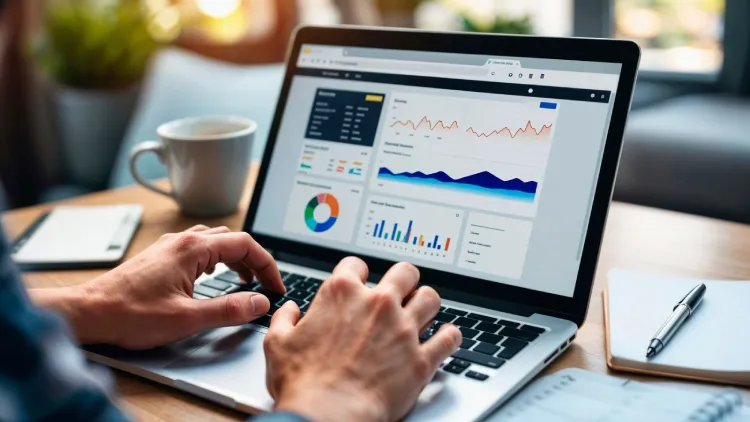
Every click, impression, conversion, and sale can be tracked.
Important PPC metrics include:
- CPC
- CTR
- CPA
- ROAS
- Conversion Rate
- Quality Score
- Impression Share
These insights help improve campaign performance continuously.
Better Brand Visibility
Even when users don’t click your advertisement, seeing your brand repeatedly builds trust and recognition.
Consistent visibility increases future conversions.
Types of PPC Advertising
Modern PPC marketing includes multiple ad formats.
Search Ads
These text advertisements appear on search engine results pages when users search for relevant keywords.
Display Ads
Display ads use images and graphics to reach users across millions of websites.
They’re excellent for brand awareness and remarketing.
Shopping Ads
Shopping ads showcase product images, prices, ratings, and store information directly in search results.
They often generate higher conversion rates for ecommerce businesses.
Video Ads
Video advertisements appear before, during, or after online videos.
They’re highly engaging and improve customer awareness.
Remarketing Ads
Remarketing targets visitors who previously visited your website but didn’t complete a purchase.
These campaigns often deliver exceptional conversion rates.
How to Build a Successful PPC Marketing Strategy
1. Define Clear Goals
Start by identifying your objective.
Common goals include:
- More website traffic
- More sales
- More leads
- Higher brand awareness
- Increased app downloads
Every campaign should focus on one measurable goal.
2. Perform Smart Keyword Research
Keyword research is the foundation of successful PPC marketing.
Focus on:
- High-intent keywords
- Long-tail keywords
- Commercial keywords
- Transactional keywords
- Brand keywords
Also, create a strong list of negative keywords to prevent wasted spending.
3. Write Compelling Ad Copy
Great advertisements attract attention immediately.
Your ad should include:
- Primary keyword
- Clear value proposition
- Strong CTA
- Trust-building language
- Benefits instead of features
Example CTAs include:
- Get Started Today
- Shop Now
- Claim Your Free Trial
- Request a Quote
- Book Your Demo
4. Optimize Landing Pages
Sending users to a poor landing page wastes advertising budget.
A high-converting landing page should have:
- Fast loading speed
- Mobile responsiveness
- Clear headline
- Persuasive copy
- Customer reviews
- Trust badges
- Simple forms
- Strong CTA
Google also rewards better landing page experiences with lower CPC.

5. Track Every Conversion
Install conversion tracking before launching campaigns.
Monitor:
- Purchases
- Phone calls
- Contact forms
- Newsletter signups
- Downloads
- App installs
Data-driven decisions improve long-term profitability.
Common PPC Marketing Mistakes
Many businesses lose money because they ignore optimization.
Avoid these mistakes:
- Choosing broad keywords only
- Ignoring negative keywords
- Weak landing pages
- Low-quality ad copy
- Poor audience targeting
- No A/B testing
- Forgetting mobile optimization
- Tracking the wrong metrics
- Setting unrealistic budgets
Continuous optimization is the secret to profitable PPC campaigns.
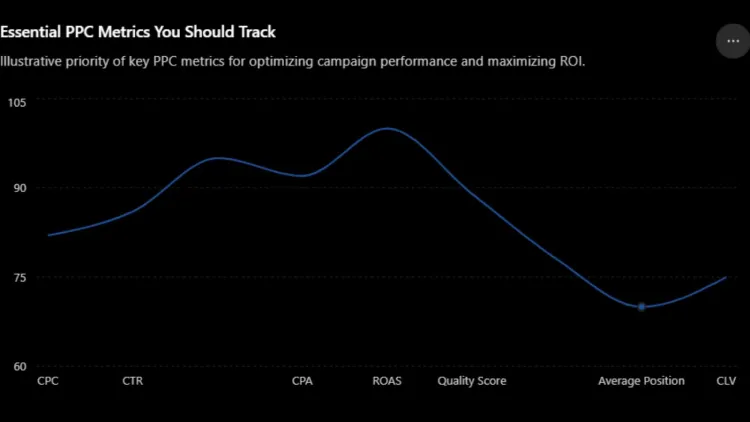
Essential PPC Metrics You Should Track
Understanding campaign performance helps maximize ROI.
Key metrics include:
- Cost Per Click (CPC)
- Click-Through Rate (CTR)
- Conversion Rate
- Cost Per Acquisition (CPA)
- Return On Ad Spend (ROAS)
- Quality Score
- Impression Share
- Average Position
- Customer Lifetime Value (CLV)
Monitoring these KPIs ensures smarter advertising decisions.
Advanced PPC Marketing Tips for 2026
Businesses that consistently outperform competitors follow proven optimization techniques.
Best practices include:
- Use AI-powered bidding strategies.
- Test multiple ad variations.
- Refresh creatives regularly.
- Improve landing page speed.
- Focus on high-converting audiences.
- Use remarketing campaigns.
- Optimize campaigns weekly.
- Monitor competitor keywords.
- Improve Quality Score.
- Combine PPC with SEO for maximum visibility.
Small improvements across multiple areas often produce dramatic increases in ROI.
Final Thoughts
PPC marketing remains one of the most effective digital marketing strategies for businesses looking to grow quickly in 2026. With the right keywords, compelling ad copy, optimized landing pages, and continuous testing, PPC can generate qualified leads, increase conversions, and maximize return on investment.
The most successful brands don’t simply launch ads—they optimize every stage of the customer journey. By combining PPC marketing with SEO, audience targeting, conversion tracking, and data-driven improvements, you can build a scalable strategy that drives sustainable growth and keeps you ahead of the competition.
Here’s an SEO-friendly FAQ section optimized for AI SEO, AEO, GEO SEO, and Featured Snippets.
Frequently Asked Questions (FAQs)
1. What is PPC marketing?
PPC marketing (Pay-Per-Click Marketing) is a digital advertising model where businesses pay only when someone clicks their ad. It helps drive targeted traffic, generate leads, and increase sales through platforms like Google Ads, Microsoft Ads, Meta Ads, and LinkedIn Ads.
2. Is PPC marketing better than SEO?
PPC marketing delivers immediate traffic and faster results, while SEO builds long-term organic visibility. Using PPC and SEO together is the best strategy for maximizing website traffic and business growth.
3. Which platform is best for PPC marketing?
Google Ads is the most popular PPC platform for search advertising. However, Meta Ads, Microsoft Advertising, LinkedIn Ads, and YouTube Ads are excellent options depending on your audience and marketing goals.
4. How much does PPC marketing cost?
PPC costs vary by industry, competition, and keywords. You can start with a small daily budget and increase your spending as your campaigns generate profitable results.
5. How can I improve my PPC campaign performance?
To improve PPC performance, use relevant keywords, write compelling ad copy, optimize landing pages, track conversions, add negative keywords, test different ads, and regularly monitor your campaign metrics like CPC, CTR, CPA, and ROAS.


6 comments on “How Can PPC Marketing Boost My Business Sales in 2026?”
Good post! We will be linking to this particularly great post on our site. Keep up the great writing
Thank you! We truly appreciate your support and the backlink. Glad you enjoyed the post! 😊
Awesome! Its genuinely remarkable post, I have got much clear idea regarding from this post
Thank you! We’re glad the post helped you understand the topic better.
Good post! We will be linking to this particularly great post on our site. Keep up the great writing
Thank you! We’re glad you enjoyed the article and hope you’ll visit again for more useful posts.