


Technical SEO audit has the advantage of improving crawlability, indexing and speed of the site in addition to the user experience. Resolving technical problems can assist search engines in attracting attention to relevant pages, enhance visibility in SERP, and facilitate organic growth in the long-term due to enhanced technical well-being.
What Is a Technical SEO Audit?
A technical audit of your site identifies and corrects the technical aspects of your site that influence patient visibility and user experience. It is concerned with the speed of the page, structure of the site, canonical tags, schema markup and crawlability. It reports useful actionable data to improve the performance, user experience, and long-term SEO development by detecting broken links, coding errors, indexing problems, etc.
Why Should a Website be Audited
Website audit is significant as it will assist in making sure that your site is optimised not only by the search engines but also by users. It also uncovers technical and SEO problems which influence performance, visibility and conversions.
An overall website audit can assist you in:
- Identify and resolve technical seo problems.
- Enhance the performance and site speed.
- Enhance the visibility of search engines.
- Familiarise oneself with user behaviour and user exit points.
- Identify newkeywordss and prospects.
- Besides technical audits of the SEO, you should also examine:
- On-page Audit of SEO to enhance content, keywords and internal linkages.
- Backlink and authority analysis through off-page SEO audits.
- UX Audits to improve the user experience and usability.
- Combined, these audits will give us the big picture of your site and will successfully convert search traffic to actual visits and sales.
What are the major aspects of a technical SEO audit
SEO audit is interested in those things that influence the crawling, indexing, and ranking of your site by search engines. These three focus areas are indexing, Core Web Vitals and performance.
Indexation moves your pages to a search result, fixing redirects, canonical tags and blocked pages. User experience is quantified by the Core Web Vitals, which include page speed, interactivity and layout stability. Performance also puts an eye on site performance, server response, andoptimisedd data so that the user is retained.
With the 80/20 rule, look at issues with the greatest impact first in order to make the most massive SEO gains in a relatively short time.
Need to improve your website to gain more performance and positions? TechishWeb is offering advanced technical SEO audits and optimisations to assist your site in reaching its full potential. Contact us today
Crawl and Audit Your Website
With a technical audit of SEO, you would start by ensuring that your site is crawlable. This will make search engines able to access, comprehend and index your pages properly. Key steps include:
- Crawl Your Site: With Ubersuggest, Screaming Frog, SEMrush, or Ahrefs, find out what is wrong with your site: duplicate content, broken links, canonical errors, unlinked pages, and redirects, etc.
- Manual Google Checks: Type in your site, observing the search title: site:yourdomain.com in Google to find out the number of pages being indexed, as well as theirvisualisationn on the search listing. This aids in identifying un-indexed or low-ranking pages.
- Make sure there is only one version: more than one version of your site (desktop, mobile, regional versions) may work against the search engines. Refer to the canonical tags, which are used to point to the core form of the given pages.
- On-Page Technical SEO Tests: Examine URL schemes, dead links, XML sitemaps, canonical tags, schema markups, and a proper hierarchy of both users and the search engine.
- Audit Links: Test internal and external links to eliminate broken links, redirects,s and enhance better navigation.
- Test Site Speed: Energise Key Web Vitals such as Your Largest Contentful Paint (LCP), Cumulative Layout Shift (CLS), along with Interaction to Next Paint (INP), and enhance slow-loading ones.
- Analytics and Metrics: First of all, make sure that your analytics tracking is valid, and the number of page views should be equal to the number of page views that are indexed in order to identify the existence of crawling or indexing problems.
- Mobile Responsiveness: Make sure your site is optimised on mobile devices since Google is the most mobile-first, and ineffective mobile performance can negatively affect the rank and user experience.
Check Mobile Issues of Responsibility and Check Codes
Mobile-friendly and code error-free checking of your site is an important aspect of a technical SEO audit. They are the factors that are not only important in search engine ranking, but also user experience, engagement and the rate of conversion.
Mobile Responsiveness
As most traffic on the web is now looking through your mobile phone, Google is now mmobile-firstindicating that it mostly considers your mobile site to give you a ranking. The non-mobility of a site will also annoy the user, and the rate of bouncing is hiked, as well as your search visibility is reduced.
Small SEO Tools, SEOptimer or Pingdom are some of the tools that you may use to check the performance of your website on mobile. These platforms test the visual look and functionality of your site on mobile phones by verifying such problems as:
Slow page loading on mobile
- Small and unreadable text.
- Difficult to press buttons.
- Lay out, discontinuity or dislocation.
In case of any issues, you can consult the guides on how to make the searchoptimisedd to be mobile, which would result in better responses, user interaction, and matching Google’s mobile performance criteria.
Look for Code Problems
Through one of the technical SEO audits, it is extremely likely to discover unrelated coding problems which influence how search engines read your site. These often include:
- No or falsely set canonical tags: This is used to indicate to a search engine that the particular page is the original version, which prevents the problem of duplicate content.
- Improper hreflang tags: Hreflang tags are applied on the multilingual or multi-region websites so that the search engines can serve the correct site of the page to the appropriate audience.
- Metadata errors: The problem with metadata titles, descriptions or headers, which influence the search relevance and CTR in the SERPS.
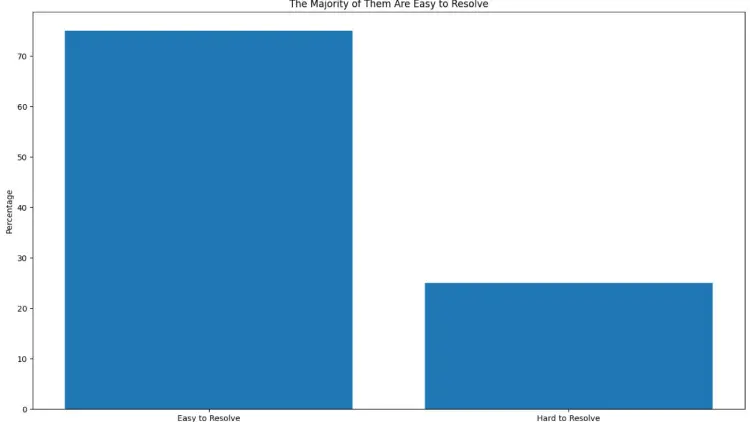
The majority of them are easy to resolve
- Missing or wrong canonical tags can be identified with the help of Screaming Frog or any other web crawlers.
- It is also possible to detect metadata problems with the help of a crawler or Google Search Console, which demonstrates lacking or redundant meta tags.
- The potential issues with hreflang tags can be inspected in the International Targeting report of Google Search Console, where the errors can be identified and corrected so that the problem of incorrectly targeting a specific language or region can be resolved.
Checking these coding errors regularly will make sure that your site is getting the message to the search engines right, you are not having issues with your indexing, and that your SEO is as high as it could be.
Conduct SEO Audits with Ease
The ranking criteria of search engines are quite numerous, such as the technical performance of the websites, the quality of the content on the websites, mobile-friendliness, and user experience. Small problems can drag your site back to square one instead of the potential perspective of your webpage; that is why frequently performed SEO audits are critical.
SEOptimer is a simple to use web site optimism checker which can scan your website to identify critical areas, like:
- Technical search engine optimization such as canonical errors, broken links, and canonical issues.
- On-page SEO features such as meta-titles, descriptions, and headings.
- Mobile responsiveness and site speed, as well as page speed and Core Web Vitals.
- Problems in security and usability, e.g., HTTPS, easy navigation.
- SEOptimer produces a prioritised, actionable report following the scan to describe each problem, the reasons why it is significant, and how to correct it. This can assist you in concentrating on those high-impact changes that bring about improvements in rankings, user experience, and traffic.
- SEOptimer makes SEO audits easy, fast, and the website is optimised to the fullest, according to search engines and visitors.
Page Indexability, Crawled Pages, and HTTP Status Code Analysis
Another important aspect of the technical audit of SEO is the verification of search engine crawling and indexation of your webpage. Install Screaming Frog, SEMrush or Ubersuggest and view all the pages found, un-indexable pages and the technical restrictions such as noindex tags or the lack of sitemap links.
Is it possible to check HTTP status codes to identify problems?
- 200 OK: Page works fine
- 301/302: Redirects Pages will redirect.
- 404 Not Found: Broken pages
- 500 Server Errors: Server issues
Repair of broken links, redirection loops and indexability issues makes sure that search engines are able to crawl your site accordingly, enhances user experience anboostsst the performance of SEO.
Check Core Web Vitals, Check Meta Tags Link, Robots
A technical SEO audit is not limited to crawling, but additional performance, link structure, and indexing controls are also given consideration. These factors are important to user experience, visibility in search engines and general health of SEO.
1. Core Web Vitals
Core Web Vitals refer to the metrics that are provided by Google and that are used to determine the user experience in the real world. They include:
- Largest Contentful Paint (LCP): The faster your page loads, themore dominant the content in it.
- Cumulative Layout Shift (CLS): It is the visual stability and unanticipated page movement.
- Interaction to Next Paint INP: Responsiveness of your page to user interactions.The responsiveness of your page to user interaction
Measuring these metrics will enable you to detect pages that take too long to load, layout problems, or the lagging of interactive features that will frustrate the user and hurt the rankings. The majority of site audit tools represent the Core Web Vitals as colour-coded bars, with less serious violations at one end and severe ones at the other, which is why it is convenient to focus on fixing them.
2. Link Attributes
SEO requires links, and notall links have equal importance. At the time of the site audit, analyse both internal and external links, considering the way they are organised:
- Dofollow links: Authority passes to the page which I am linking to.
- No follow links: No transfer of authority and conveys no signal to the search engines.
Checking your links is also another way of making sure that the authority is spread all over your site and your SEO is not diluted. There may be broken or wrongly categorised links that are counterproductive to the crawl efficiency and page ranking, and therefore,e it is critical to find out the situation.
3. Robots Meta Tags
Robots meta tags include instructions to the search engines on whether the page is supposed to be indexed or what links they may or may not follow. Key attributes include:
- index/ noindex: Whether or not the page should be in the results of the search query.
- follow / nofollow: The search engines should follow links on the page or not.
Analysing these tags, one will help in making sure that proper pages are being indexed, and they will not expect to see pages that they do not want when the search takes place. Wrong or absent meta tags of robots may result in loss of organic traffic and indexing flaws.
Why This Matters
Audit of Core Web Vitals, link attributes, and robots meta tags will provide you with complete information about the technical health of your site. This helps you:
- Enhance the user experiencebyh correcting poor or slow pages.
- Distribute link equity to improve the performance of SEO.
- Filter to increase search visibility.
These metrics should be regularly checked not to become user-friendly and search-engine optimized thus providing you with a competitive advantage in the SERP.
Interview With Web Site Audit Tool users
The users are fond of the simplicity and visuality of the website audit tool in making SEO simple. Even unskilled people will be able to detect a faulty link, a missing meta tag or a slow page very quickly. The tool offers practical advice on problem resolution and offers a strong idea of the health of the site, which can be used to optimise the performance of the site, user experience, and ranking.
Interview With Web Site Audit Tool users
The site appraisal tool is created to simplify the process of SEO. It graphically identifies matters in your web pages and gives clear guidelines to you on what to do. Users like the fact that the tool presents specifics on what must be addressed, why this is important, and how all this can be done even when the user does not have any previous experience in SEO.
With detached links and absent meta tags, sluggishly loaded web pages and indexation issues, the tool will educate you one step after another. This renders it perfect for business owners, content managers, and any other person who wishes to enhance the search results of the site without necessarily recruiting a professional search engineoptimisert.

Test Your Analytics/Tracking
A technical SEO audit is the process in which you verify your analytics and tracking codes. The correct tracking enables you to ensure the use behaviour, page performance, and conversions, which is vital to compute the effects of your SEO activities.
1. Check Source Code
Check the homepage (press Control + U on Mac or Command + U), main categories and product pages (press Control + U on Mac or Command + U) code. Make sure that you add the tracking code of Google Analytics in the head section on every page. Make sure that the tracking ID is the same as your Analytics property ID.
2. Use Google Tag Assistant
Google’s free Tag Assistant is a tool used to check that your Analytics tags are installed correctly. Add the option of plugging in, reload the page, and all the active tags will be shown,n plus any faults. This aids by pointing out missing names, replicas of tags or wrong ID.
3. Why Analytics Setup Matters
Correct monitoring will make sure that your audit information on SEO is factual and practical. It allows you to:
- Track the traffic and use of the organisation
- Determine the pages with analytical or bouncing problems.
- Monitor conversion rates and gauge the performance of the change in SEO.
With analytics verification implemented in your audit, you can be certain that your technical remedies, as well as your future optimisation efforts, are informed by sound and repeatable data.
Google Analytics Traffic Analysis
Google Analytics is necessary to correct your web tracking. When carried out during a technical audit of SEO, examine your reporting on analytics to confirm the presence of abnormal patterns like:
- Free intervals of no sessions made.
- Life-like increases or decreases in traffic.
- Baby bounces or baby dropout rates, are extremely large or small.
These problems tend to imply the tracking code implementation problems. The right tracking code will record the interactions of the users, views and conversions of a page under proper guidance, and this is essential in examining your SEO campaigns.
To verify the tracking code:
- Ensure that you have the UA- prefix in your source code (in the case of Universal Analytics) or ensure that you have GA4/ Tag Manager codes.
- Test with programs such as Google Tag Helper to ensure that the tracking code is working properly.
- Test the key pages of your site to make sure all the pages are consistent, such as the home page, category pages and product pages.
- Accurate Analytics data makes it easy to know which pages are the most performing, your traffic sources, and the effectiveness of the SEO work you do.
Test Your Canonicalization
Canonical tags also instruct search engines on which page is the master copy of the same page to avoid the problem of contentduplications, as well as to consolidate the ranking signals. Canonicalization is essential to ensure that SEO is healthy.
To check canonical tags:
- Check the rel=canonical on the page source, and the URL of the page should be on the correct page.
- Check the canonical tags in all types of pages, which are product pages, category pages and blog posts.
- Tools such as Google Lighthouse can also be used in case the tag is difficult to locate in the source code. Make an SEO report to be sure that the page has an appropriate canonical tag.
- Proper implementation of the canons ensures search engines index the desired pages and avoid the occurrence of duplicate pages, and also optimises the URLs of your website.

Final Thoughts
A technical SEO audit maintains your site as being healthy and performing well. To improve the effectiveness of your site, it is essential to check crawlability, site speed, Core Web Vitals, links, and meta tags on a regular basis so that your users and search engines can navigate your site effectively. This can be done with the help of tools such as Screaming Frog, SEOptimer and Ubersuggest. Regular audits and repairs enhance against placements, user experience and organic growth in the long-term.
Frequently Asked Questions
What is a technical SEO audit?
It audits the inner working components of your site, such as crawlability, indexing, and the speed of your site,e to resolve areas that lead to rankings and user experience problems.
What is the importance of a website audit?
Audits identify the technical issues, enhance performance, enhance visibility, and identify growth opportunities.
How do I check Core Web Vitals?
Measuring page speed, interactivity, and stability on the page entails the use of tools such as Google PageSpeed Insights or Ubersuggest.
What should I do to resolve coding an SEO audit?
Unearth the things that have gone wrong, such as missing canonical tags or metadata errors,s using Screaming Frog or SEOptimer and use them to correct such errors.