

On-Page SEO is all about optimising elements on your website—including title tags, meta descriptions, headings, URLs, internal links, and high-quality content—to improve search visibility, enhance user experience, and help search engines better understand your site. Off-Page SEO focuses on building authority and trust externally, through strategies like backlinks, social media signals, influencer outreach, guest blogging, and brand mentions. When combined, on-page vs off-page search engine optimization creates a comprehensive SEO strategy: your site becomes strong, credible, and search-friendly, leading to higher rankings, more organic traffic, and long-term online authority.
On-Page SEO vs Off-Page SEO Table
| Aspect | On-Page SEO | Off-Page SEO |
| Focus | Optimising elements within your website | Building authority outside your website |
| Key Elements | Content quality (E-E-A-T), meta tags, headings, internal links, images | Backlinks, social signals, guest posts, brand mentions |
| Purpose | Make your site relevant and user-friendly | Boost trust, credibility, and authority |
| Impact | Improves rankings by helping search engines understand your site | Increases domain authority and referral traffic |
| Control | Fully controlled by you | Partially controlled, relies on external sources |
Takeaway: On-page SEO makes your site strong and user-friendly, while off-page search engine optimization builds authority—together, they create a complete SEO strategy.
On-Page and Off-Page SEO Factors
SEO is all about making your website user-friendly and building authority online. It has two main components: On-Page SEO (what you control on your site) and Off-Page search engine optimization (actions outside your site to boost credibility).
- On-Page SEO: Optimize relevant keywords, title tags, meta descriptions, alt text of images, secure site (SSL), and clean URLs, etc.
- Off-Page SEO: Build authority with high-quality backlinks, strong domain authority, shareable content, and active social media engagement to boost trust, visibility, and traffic.
Quick Takeaway
- On-Page SEO: Builds a strong, user-friendly foundation.
- Off-Page SEO: Boosts authority and credibility.
- Combined Strategy: Maximises rankings, traffic, and long-term growth.
Important SEO Factors
- On-Page SEO: Focuses on what you control—create valuable content, optimise title tags and meta descriptions, use descriptive images and alt text, structure content with headings and internal links, keep URLs clean, and ensure fast, mobile-friendly pages with schema markup and good Core Web Vitals.
- Off-Page SEO: Builds authority through high-quality backlinks, social media engagement, guest blogging, influencer outreach, and community participation.
- Key Takeaway: On-page SEO ensures relevance and user experience, off-page search engine optimization builds trust and authority, and together they drive higher rankings, traffic, and long-term growth.
How to Use All Three Pillars of SEO
On-Page SEO: Optimize each page with unique content, keyword-rich titles, meta descriptions, headers, internal links, and images to improve relevance and user experience.
Off-Page SEO: Build authority and trust through high-quality backlinks, guest blogging, social media, influencer outreach, and brand mentions.
Technical SEO: Ensure your website is fast, secure, mobile-friendly, and easy for search engines to crawl with sitemaps, robots.txt, and structured data.
Key Takeaway: Combine all three pillars—technical foundation, on-page content, and off-page authority—to boost rankings, traffic, and conversions effectively.
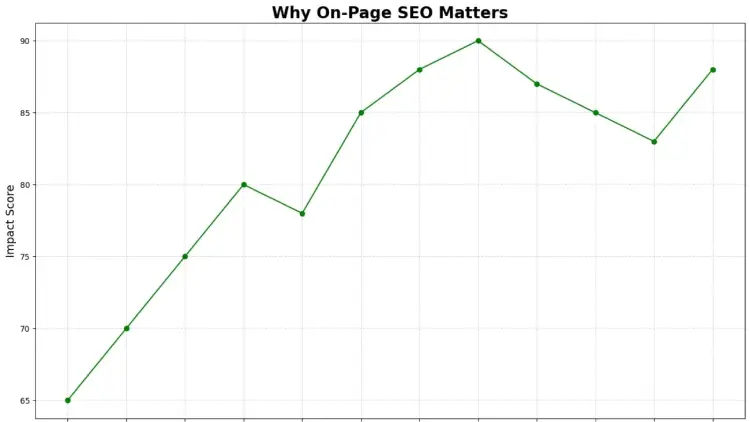
Why On-Page SEO Matters
On-page SEO ensures your content is search-friendly, relevant, and user-focused, helping pages rank higher, attract traffic, and improve engagement.
Quick On-Page SEO Checklist
- Title Tag: Main keyword, ≤60 chars
- Meta Description: Persuasive, ≤160 chars
- Headings: One H1, logical H2/H3
- Keyword: In the first 100 words, naturally
- Images: Compressed with descriptive alt text
- Internal Links: 2–3 related pages
- Speed & Mobile: Load ≤3s, mobile-responsive
- Schema Markup: Use where relevant
- Canonical & HTTPS: Set canonical URL and secure site
- Content: Solves user intent, short paragraphs
Takeaway: Proper on-page SEO makes your content rank higher, engage users, and drive results.
“Want expert help boosting your site’s SEO? techishweb provides you with full On-Page and Off-Page search engine optimization services to drive traffic, improve rankings, and grow your business—get started today!”
Why Off-Page SEO Matters
Off-Page SEO is crucial because it builds your website’s authority, credibility, and trust, which directly influences how search engines rank your site. While on-page SEO makes your site strong and user-friendly, off-page search engine optimization signals to Google and other search engines that your content is valuable, reliable, and relevant.
Key reasons it matters:
- Improves Rankings: High-quality backlinks from reputable sites show search engines your site is trustworthy, boosting your SERP positions.
- Builds Domain Authority: External links, brand mentions, and social signals contribute to your site’s overall authority and online reputation.
- Drives Referral Traffic: Links from other sites bring in new visitors who might not find your site organically.
- Increases Brand Awareness: Being featured on authoritative websites, guest posts, or social media increases visibility and credibility.
- Supports Long-Term Growth: Off-page search engine optimization effects take time, but they provide lasting authority that strengthens your search performance sustainably.
Bottom line: On-page SEO builds the foundation, but off-page SEO amplifies your presence, making your site recognised, trusted, and ranked higher by search engines.
On-Page vs. Off-Page SEO: Which is Better?
On-page vs off-page SEO aren’t competitors—they work together. On-page SEO optimises your website’s content, structure, and technical elements for search engines and users. Off-page SEO builds authority and trust through backlinks, social engagement, and brand mentions. Alone, each has value, but combined, they create a strong, sustainable SEO strategy that drives traffic, improves rankings, and boosts credibility.
Balanced SEO Strategy
A strong SEO approach combines on-page and off-page strategies.
- On-Page SEO: Optimize content, meta tags, headings, URLs, site speed, mobile-friendliness, and UX to make your website user- and search-engine-friendly.
- Off-Page SEO: Build authority through high-quality backlinks, guest posts, influencer collaborations, social media promotion, and brand mentions.
Together, they create a complete strategy that improves rankings, drives traffic, and boosts credibility for long-term growth.
Advanced SEO Strategies (Short Version)
On-Page SEO
- User Intent: Tailor content to informational, transactional, or navigational queries.
- Schema Markup: Use FAQ, Product, or How-to schemas for rich search results.
- Interactive Content: Quizzes, calculators, and interactive infographics boost engagement.
- Advanced Optimisation: Use LSI keywords, fill content gaps, and leverage AI for personalisation.
Off-Page SEO
- Collaborations: Partner with industry leaders via blogs, webinars, and podcasts.
- Digital PR: Publish data-driven content and press releases for authoritative backlinks.
- Community Engagement: Participate in Quora, Reddit, and forums to build trust.
- Backlinks: Focus on guest blogging, broken link building, and content syndication.
- Influencer Marketing: Gain visibility and backlinks through influencer collaborations.
Key Takeaway: Combine on-page and off-page strategies for maximum authority, engagement, and search engine rankings.

Short-Term vs. Long-Term SEO Impact
On-Page SEO delivers quick results by optimising your website’s content, headings, meta tags, and internal links. Changes can boost rankings within days or weeks, making it ideal for new pages.
Off-Page SEO develops authority by the use of backlinks, social cues, and brand mentions. Results take months, but create long-term trust and higher rankings.
Best Approach: Combine both—use on-page SEO for immediate wins and off-page search engine optimization for lasting authority and sustainable growth.
1. On-Page SEO Audit
On-page SEO determines how well your website content, structure, and technical elements align with search engine requirements. Begin by reviewing these key areas:
- Keyword Optimisation: Check whether your target keywords are included naturally in titles, headings, meta descriptions, and throughout your content.
- Content Quality: Evaluate whether your content is valuable, engaging, and aligned with user intent. Thin, duplicate, or outdated content can negatively impact rankings.
- Meta Tags & Headings: Ensure title tags are descriptive, meta descriptions are persuasive, and headings (H1, H2, H3) structure your content effectively.
- Site Structure and URLs: ensure that your URLs are understandable, sensible, and carry the relevant keywords. By having a well-structured site, you are likely to have a smooth ride with search engines crawling your pages.
- Technical Elements: Check page speed, mobile responsiveness, internal linking, and schema markup to ensure optimal crawling and user experience.
Tools to Use:
- Rank Math’s SEO Analyser: Scans your website thoroughly and highlights areas of improvement.
- Google Search Console: Provides performance data, indexing status, and alerts for issues affecting your pages.
2. Off-Page SEO Audit
Off-page search engine optimization focuses on your website’s authority, credibility, and presence outside your own site. Key areas to assess include:
- Backlink Profile: Analyse the number and quality of backlinks pointing to your site. High-authority, relevant backlinks strengthen your site’s credibility.
- Social Signals: Check engagement on social media platforms, including shares, likes, and comments. While not a direct ranking factor, social activity can drive traffic and boost brand awareness.
- Brand Mentions: Mentions of your brand on external websites, even without links, signal trustworthiness to search engines.
Tools to Use:
- Ahrefs: Offers a detailed overview of your backlinks, domain authority, and referring domains. (source)
- Semrush: Provides insights into backlinks, competitor comparisons, and potential link-building opportunities. (source)
3. Identify Gaps and Opportunities
After evaluating both on-page and off-page SEO:
- On-Page Gaps: Look for pages with weak content, missing keywords, slow loading speeds, or poor internal linking.
- Off-Page Gaps: Identify low backlink diversity, few high-authority links, or weak social engagement.
Filling these gaps ensures that your website is optimised for both search engines and users, creating a strong foundation for higher rankings and increased traffic.
Monitor and Adjust Your SEO Strategy
SEO is ongoing—regular monitoring and updates are key to success.
1. Track Performance:
Use Google Analytics and Search Console to check traffic, keyword rankings, bounce rates, and indexing issues.
2. Key Metrics:
- Organic traffic
- Keyword rankings
- Bounce rate
- Internal & external links
3. Adjust Your Strategy:
- Update content and keywords
- Fix technical issues (speed, mobile, schema)
- Build high-quality backlinks
4. Stay Updated:
Adapt to algorithm changes and industry trends to stay competitive.
5. Regular Reviews:
Check metrics monthly or quarterly to spot issues, improve content, and maintain growth.
Takeaway:
Continuous monitoring and adjustments keep your SEO effective, growing traffic, authority, and conversions over time.

Final Thoughts
SEO is a powerful, long-term strategy that combines on-page, off-page, and technical optimisation to drive traffic, improve rankings, and build authority.
- On-Page SEO lays the foundation—optimising content, meta tags, headings, URLs, internal links, and UX for fast results.
- Off-Page SEO builds trust and authority through backlinks, social engagement, guest posts, and influencer collaborations for lasting growth.
- Technical SEO ensures your site is fast, secure, mobile-friendly, and easily crawlable by search engines.
A balanced SEO strategy integrates all three pillars, continuously monitored and adjusted based on performance metrics. This approach not only improves visibility but also strengthens credibility, attracts the right audience, and drives sustainable traffic, leads, and conversions.
Key Takeaway: SEO isn’t just about ranking—it’s about building a strong, trusted, and growth-oriented digital presence that pays off over time.
Frequently Asked Questions
1. What is the difference between on-page and off-page SEO?
On-page search engine optimizationoptimises your website’s content, meta tags, headings, and internal links. The off-page search engine optimization gains power by means of backlinks, social interaction, a nd brand references..Both work together to boost rankings.
2. Why combine on-page, off-page, and technical SEO?
On-page ensures your site is optimised, off-page builds trust, and technical SEO makes it fast, secure, and crawlable. Together, they drive traffic, rankings, and conversions.
3. How long to see SEO results?
On-page SEO can show improvements in days or weeks, while off-page search engine optimization takes months for long-term authority. Combining both gives quick wins and sustained growth.
4. How to monitor SEO performance?
Use Google Analytics and Search Console for on-page metrics, and Ahrefs or Semrush for backlinks and authority. Adjust content, fix issues, and update strategies regularly.

2 thoughts on “On-Page SEO vs Off-Page SEO: Amplify Your Growth”
So simple to nesine indir the app! Gets you in on all the action quickly, wherever you are. Download it now: nesine indir
Thank you for your comment! We’re glad you shared your thoughts, feel free to explore more tech guides on our site.