
SEO 101 is a basic guide to understanding how websites rank in search engines, get traffic, and thrive online. It covers key areas like keyword research, content writing, technical SEO, and link building. SEO 101 helps beginners build a strong foundation, increase organic traffic, and build a career in SEO. It also explains how AI tools and advanced strategies are shaping SEO in 2026 and beyond.
What is SEO?
SEO stands for Search Engine Optimization. It is the process of improving the visibility of a website in search engines like Google, so that it ranks higher in search results when users search for relevant topics.
- The main goal of SEO 101 is to help your website be found by the right people at the right time.
- Search engines analyze millions of pages and rank them based on relevance, quality, and authority. SEO ensures that your content meets these criteria.
- SEO isn’t just about getting high rankings; it’s also about providing real value to users. Content that solves problems, answers questions, and provides helpful information performs better.
- It also plays a vital role in digital marketing, content strategy, and business development by connecting your website with users who are already searching for what you offer.
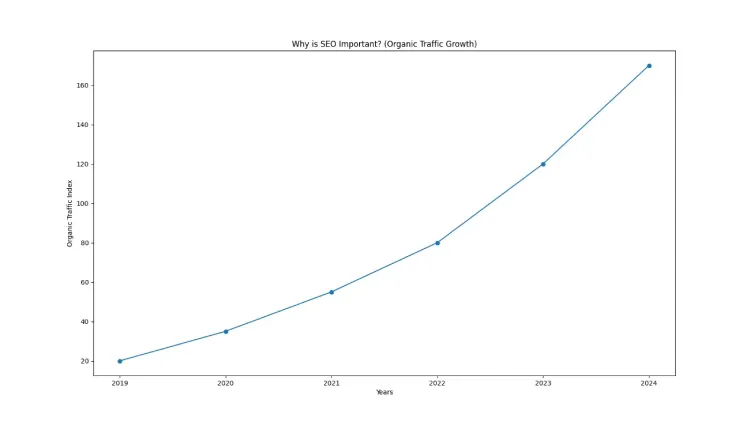
Why is SEO important?
SEO 101 is important because it ensures long-term and sustainable growth. Unlike paid advertising, SEO provides consistent traffic without ongoing costs.
Here’s why SEO is important:
- It delivers organic traffic that converts into customers or readers.
- It builds trust and authority in your niche.
- It improves the user experience through better site structure.
- It supports brand visibility and recognition.
- It offers the highest return on investment in digital marketing.
In today’s digital world, ignoring SEO means missing out on a huge audience. Whether you’re a blogger, freelancer, or business owner, SEO 101 will help you stay competitive.
SEO isn’t dying, it’s evolving. Even in 2026, SEO continues to grow as search engines become smarter and more user-centric.
Turn SEO into real growth
📈 TechishWeb delivers powerful SEO services that help you rank higher and attract the right audience. Contact us today.
How Search Engines Work
Understanding how search engines work is a fundamental part of SEO 101. Search engines work using three main processes:
- Crawling: Search engines use bots to crawl websites and discover new content. These bots follow links and collect data.
- Indexing: After crawling, the content is stored in a database called an index. Only indexed pages can appear in search results.
- Ranking: Search engines rank pages based on hundreds of factors, including content quality, keywords, backlinks, and user experience.
SEO 101 teaches you how to optimize your site for good performance in all three stages.
Types of SEO
1. On-page SEO
On-page SEO focuses on optimizing the content and elements on your website.
This includes:
- Keyword placement
- Content quality
- Meta tags
- Titles and structure
- Internal links
2. Off-page SEO
Off-page SEO involves external signals that build your website’s authority.
Examples:
- Backlinks from other websites
- Social media engagement
- Brand mentions
3. Technical SEO
Technical SEO makes it easier for search engines to crawl and index your website.
This includes:
- Site speed optimization
- Mobile compatibility
- Secure links (HTTPS)
- Structured data
4. Local SEO
Local SEO helps businesses appear in location-based searches.
It’s important for:
- Local stores
- Service providers
- Small businesses
These four types form the basis of SEO 101 and are often referred to as the foundation of SEO.
Keyword Research (The Heart of SEO 101)
Keyword research is one of the most important parts of SEO 101. It helps you understand what people are searching for and how to create content around those topics.
Tools like Google Keyword Planner allow you to find search volume, competition, and keyword ideas.
Keyword Types
It’s important to understand the types of keywords:
- Short-tail keywords (e.g., “SEO”)
- Long-tail keywords (e.g., “SEO 101 beginner’s guide”)
- Informational keywords
- Transactional keywords
Best practices
- Focus on user intent.
- Use keywords naturally.
- Avoid keyword stuffing.
- Target low-competition phrases
Keyword research is what connects your content to your target audience.
On-page SEO best practices
- Use keywords strategically: In SEO 101, keywords should be placed naturally in titles, subtitles, and content.
- Create high-quality content: The content should be useful, unique, and engaging. It’s often called a “10x master page.” A comprehensive piece of content that is far better than competing pages.
- Optimize meta tags: Meta titles and descriptions affect click-through rates and rankings.
- Improve readability: Use short paragraphs, titles, and simple language.
- Internal links: Linking to your own pages improves navigation and SEO performance.
Getting the hang of these basics makes writing SEO easier. It’s all about writing for people first, then optimizing for search engines.
Fundamentals of Technical SEO
- Website Speed: A fast website improves rankings and user experience.
- Mobile Optimization: Most users browse on mobile devices, so responsiveness is essential.
- Secure Website: Using HTTPS builds trust and is a ranking factor.
- Fixing Errors: Broken links, duplicate content, and crawl errors should be fixed regularly.
Technical SEO can seem complicated, but SEO 101 simplifies it into manageable steps.
Off-Page SEO Strategies
- Building Backlinks: Backlinks are one of the most powerful ranking factors.
- Guest Blogging: Posting on other websites increases visibility.
- Social Sharing: Content shared on platforms gains visibility and traffic.
- Brand Building: A strong brand builds trust and recognition.
Off-Page SEO is about building authority outside of your website.
Common SEO Mistakes to Avoid
Many beginners make the following mistakes while learning SEO 101:
- Keyword stuffing
- Ignoring user intent
- Low content quality
- Slow website speed
- Lack of mobile optimization
- Not updating old content
Avoiding these mistakes will help you get better results faster.
SEO Tools for Beginners
SEO experts rely on the following tools to analyze and improve performance:
- Google Analytics
- Google Search Console
- Analytics
- SEMrush
These tools help monitor rankings, traffic, backlinks, and technical issues.
How long does SEO take?
SEO is a long-term strategy, and results depend on consistency, competition, and effort. One of the core ideas of SEO 101 is that SEO doesn’t produce instant results. It builds slowly over time as search engines gain more confidence in your website. Here’s a simple timeline to help you understand better:
Beginners can learn the basics of SEO in 1-3 months
- Understand keywords, content, and on-page SEO.
- Learn how search engines work.
- Start optimizing simple pages and blog posts.
The intermediate level can take 3-6 months
- Improve content quality and keyword targeting
- Learn the basics of backlinks and technical SEO.
- Start seeing small improvements in traffic and rankings.
The advanced or expert level can take 1 year or more
- Build a strong authority in your niche
- Get ranked on competitive keywords
- Maintain and scale long-term SEO growth.
SEO 101 teaches that success comes from patience and consistent practice. Websites that are consistent in terms of quality content and optimization grow much faster than those that shut down early.

SEO and AI The Future of Optimization
AI tools, including platforms like ChatGPT, are transforming SEO.
AI can:
- Generate content ideas
- Assist with keyword research
- Improve writing
- Analyze data.
However, AI cannot completely replace human creativity, strategy, and expertise. SEO is evolving, not changing.
Various AI systems contribute to modern SEO, such as machine learning, natural language processing, and computer vision.
SEO as a Career
SEO is a valuable skill and a strong career option.
Salary and Opportunities
- SEO professionals earn competitive salaries depending on experience and location. Freelancers, agencies, and in-house experts all have the potential to make money.
Required Skills
- Analytical Thinking
- Content Writing
- Technical Knowledge
- Marketing Strategy
SEO is considered a skill related to both marketing and IT.
Career Development
SEO offers opportunities in:
- Digital Marketing
- Content Strategy
- Freelancing
- Agency Work
Many people learn SEO on their own using online resources, which makes it accessible to beginners.
Best SEO Strategies for 2026
SEO continues to evolve rapidly, and in 2026, it will focus more on users, intent, and AI-powered search systems. Modern SEO 101 is about building real value, authority, and long-term visibility, not shortcuts. Here are the most effective strategies:
Create high-quality, user-centric content
- Content should fully answer user questions and solve real problems
- Long, detailed guides perform better than short articles.
- Search engines reward content that keeps users engaged.
- Core content (the full scope of the topic) helps build authority.
Optimize based on search intent
- Focus on why the user is searching, not just keywords
- Match content with informational, transactional, or comparison intent.
- Align titles, subheadings, and structure with user expectations
- Better intent matching improves rankings and click-through rates.
Build strong backlinks
- High-quality backlinks build trust and authority.
- Focus on relevant and reputable websites.
- Guest blogging and digital PR are powerful methods.
- One strong backlink is worth more than many weak links.
Improve technical performance
- Fast-loading websites rank higher and improve the user experience.
- Mobile-friendly design is crucial for modern SEO.
- Secure websites (HTTPS) build trust with users and search engines.
- A clean site structure helps search engines crawl pages more easily.
- Fixing broken links and errors improves overall SEO health.
Using AI tools wisely
- AI tools like ChatGPT help with content ideation, research, and writing collaboration.
- AI increases speed and efficiency in SEO workflows.
- Human editing for quality and originality is still essential.
- AI should support the strategy rather than completely replace it.
Focus on search experience and trust signals
- Websites should feel helpful, trustworthy, and easy to use.
- Clear formatting increases readability and engagement.
- Content should demonstrate expertise and real value.
- User satisfaction is now a key ranking factor.
In 2026, SEO is not outdated. It is evolving into a better system that understands meaning, quality, and user behavior. Websites that follow modern SEO 101 principles will continue to thrive, while outdated tactics will continue to lose their effectiveness.

Conclusion
SEO 101 is the foundation for online success. By understanding how search engines work, mastering keyword research, and implementing on-page, off-page, and technical SEO strategies, you can effectively grow your website.
SEO is not a quick fix; it’s a long-term investment. Whether you’re looking to increase traffic, build a brand, or launch a career, SEO 101 provides you with a roadmap.
Be consistent, keep learning, and adapt to changes. That’s the key to winning at SEO.
Frequently Asked Questions
1. What is SEO 101?
SEO 101 is a beginner’s guide to understanding how search engines rank websites and how you can increase your site’s visibility to get more organic traffic.
2. How long does it take to learn SEO?
While basic SEO can be learned in 1-3 months, intermediate skills can take 3-6 months. Reaching advanced SEO usually takes 1 year or more with consistent practice.
3. Is SEO still important in 2026?
Yes, SEO is still very important in 2026. It continues to evolve with AI and search engine updates, and focuses more on user intent, quality content, and trust.
4. Can beginners do SEO without tools?
Yes, beginners can get started with SEO without paid tools by focusing on content quality, the basics of keyword research, and on-page optimization, but tools like Google Search Console make it easier.